
1927 – 2012
Jacek Sempoliński
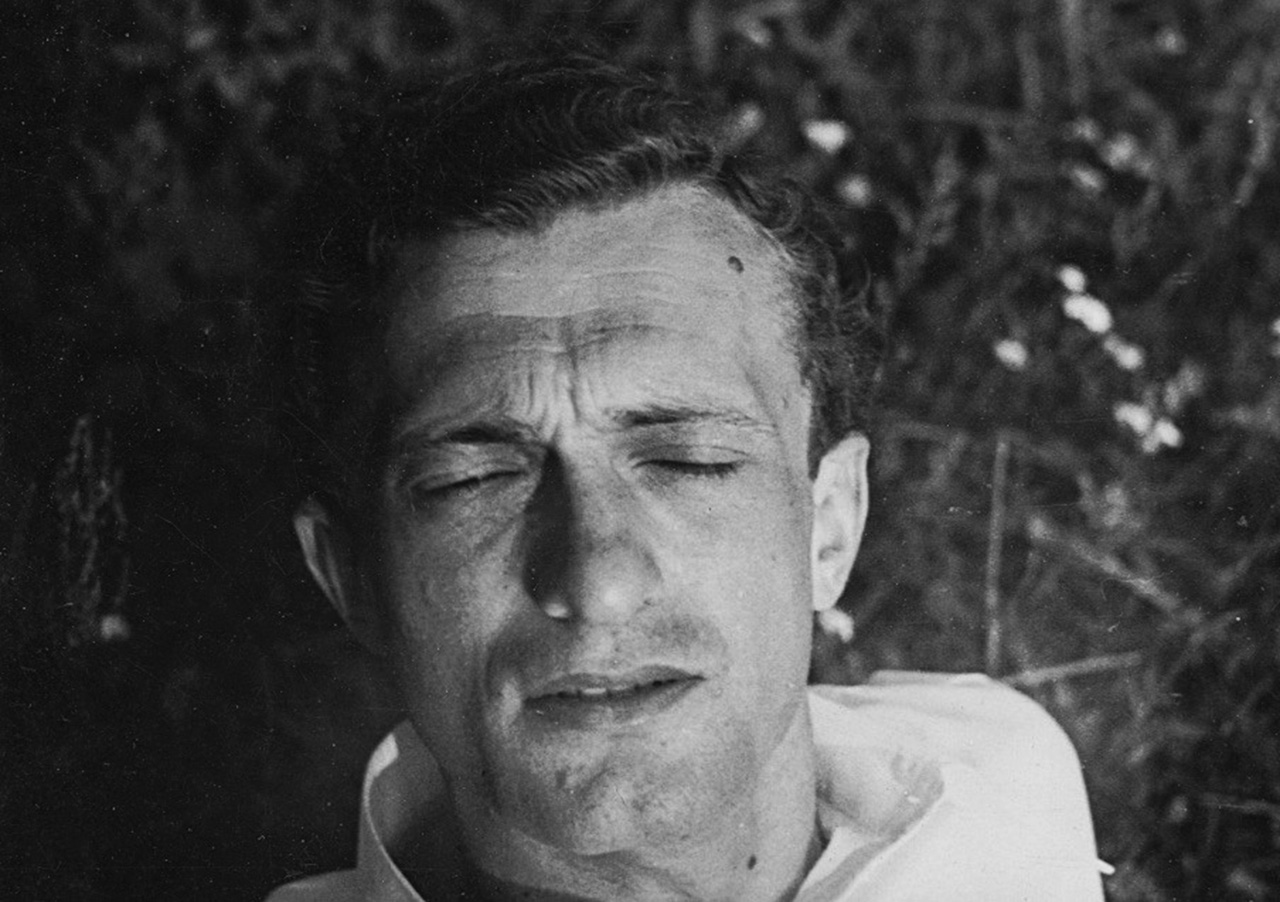
27 March 1927
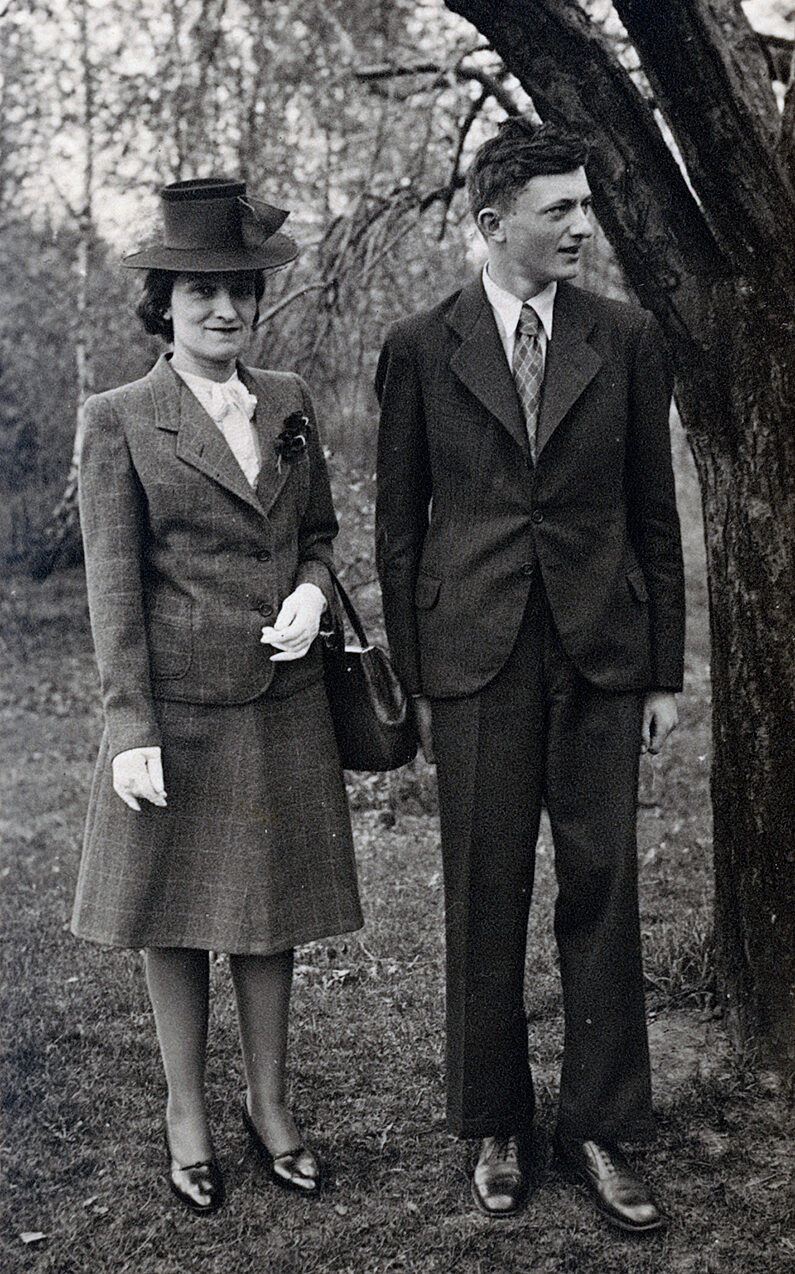
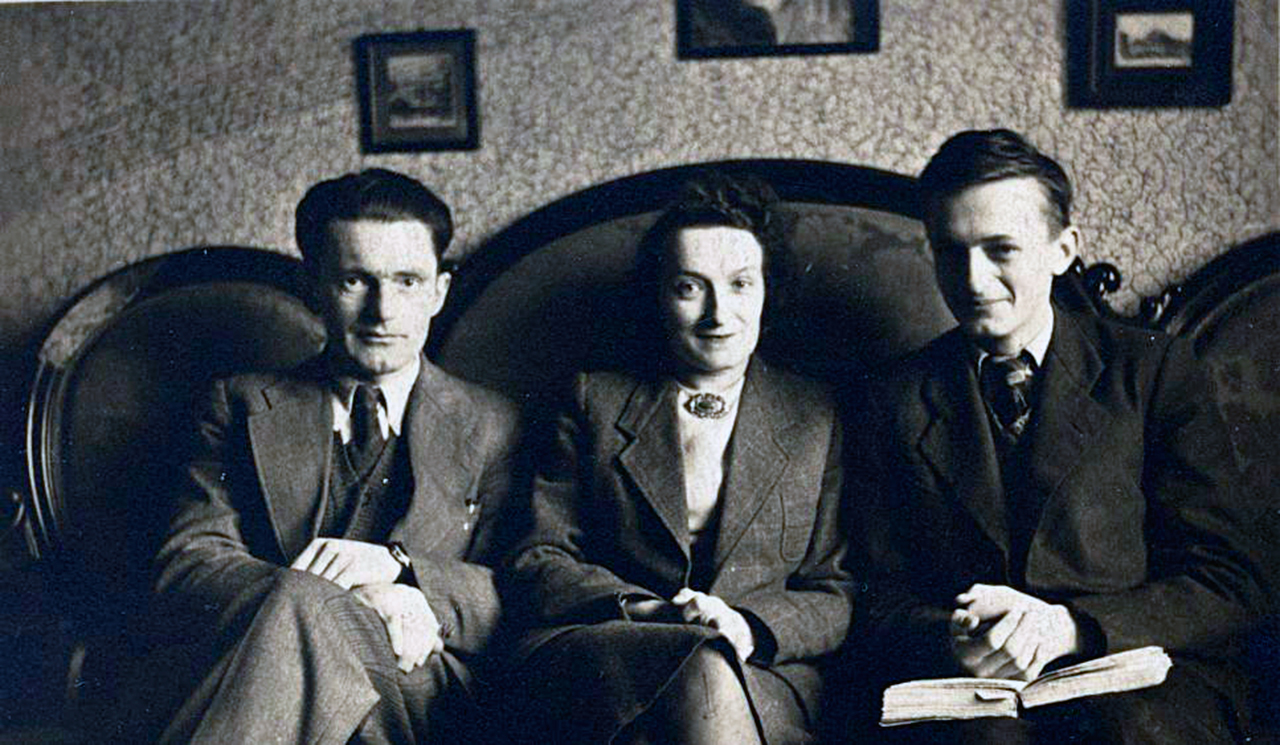
Jacek Kajetan Sempoliński was born in Warsaw, son of Leonard Sempoliński, photographer (1902–1988) and Eugenia née Kozłowska.
1935 - 1943
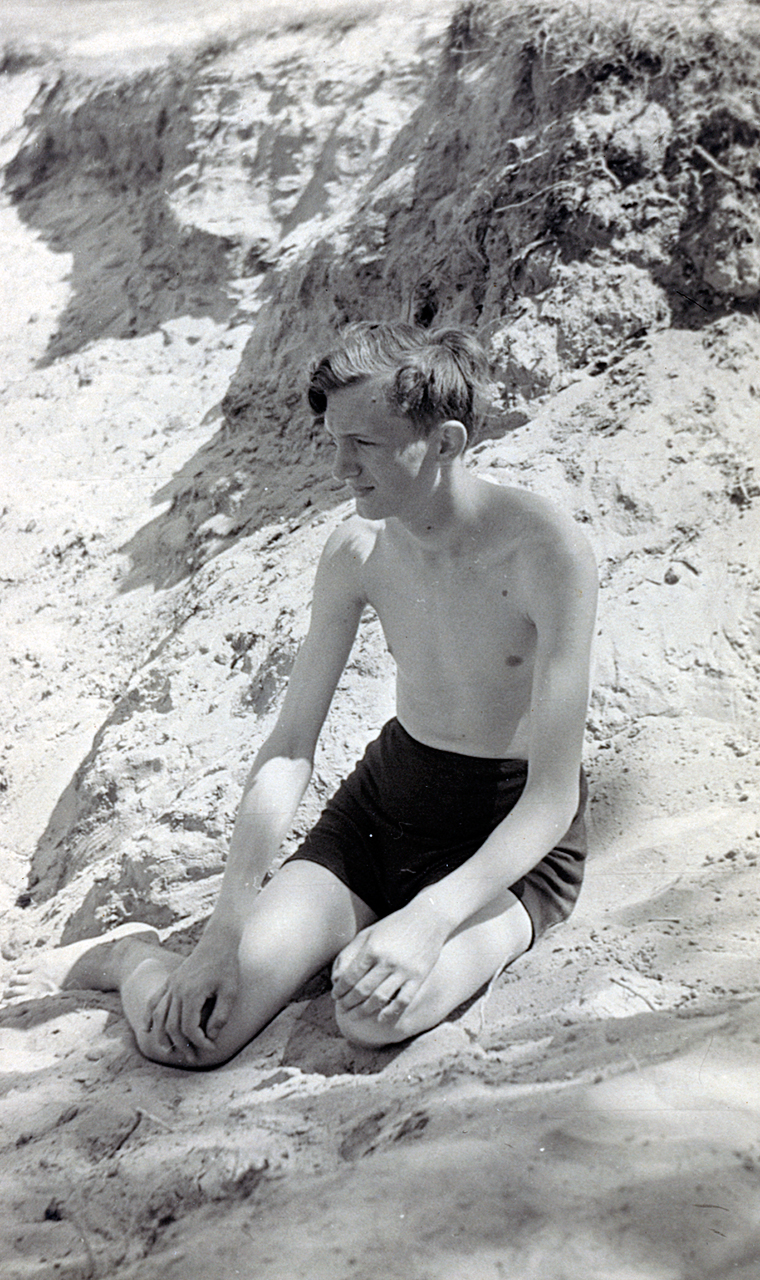
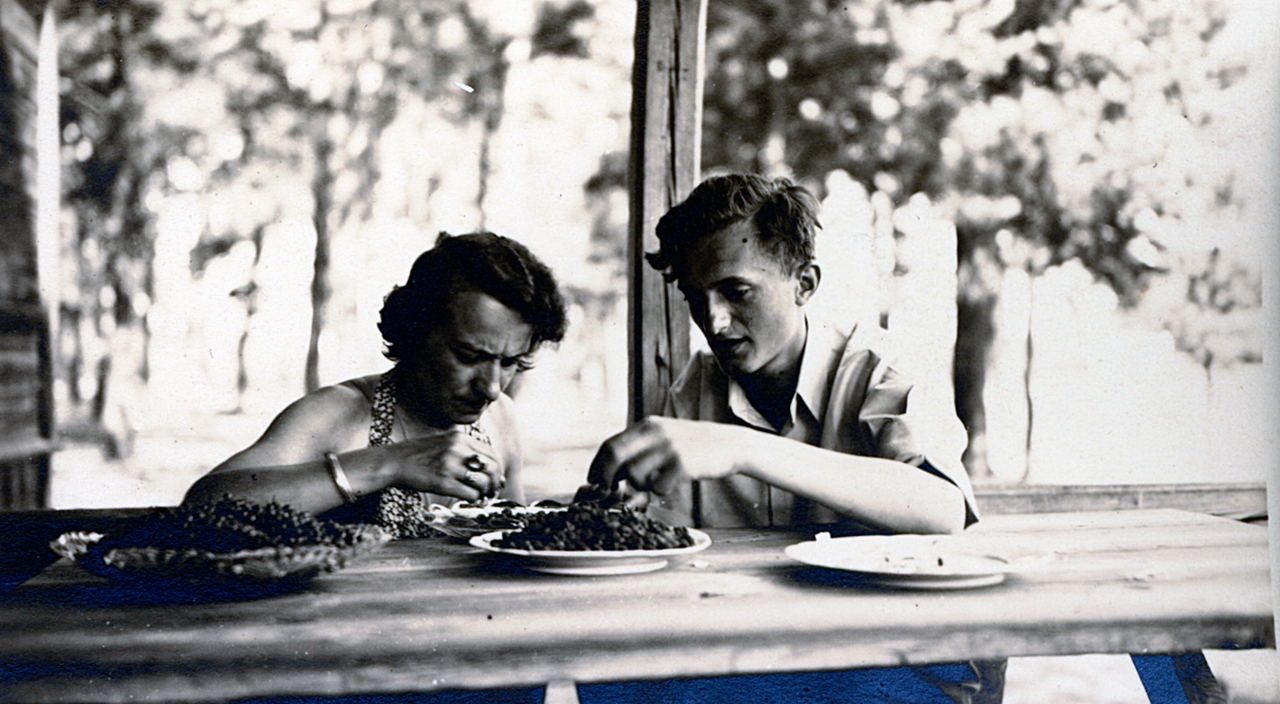
Was enrolled in primary education in Legionowo in 1935. He completed it in 1940, graduating from Year Six at Primary School no. 161 at ul. Ożarowska in Warsaw. Subsequently he attended Maria Berut’s private secondary commercial school at ul. Wierzbowa.
1943 - 1944
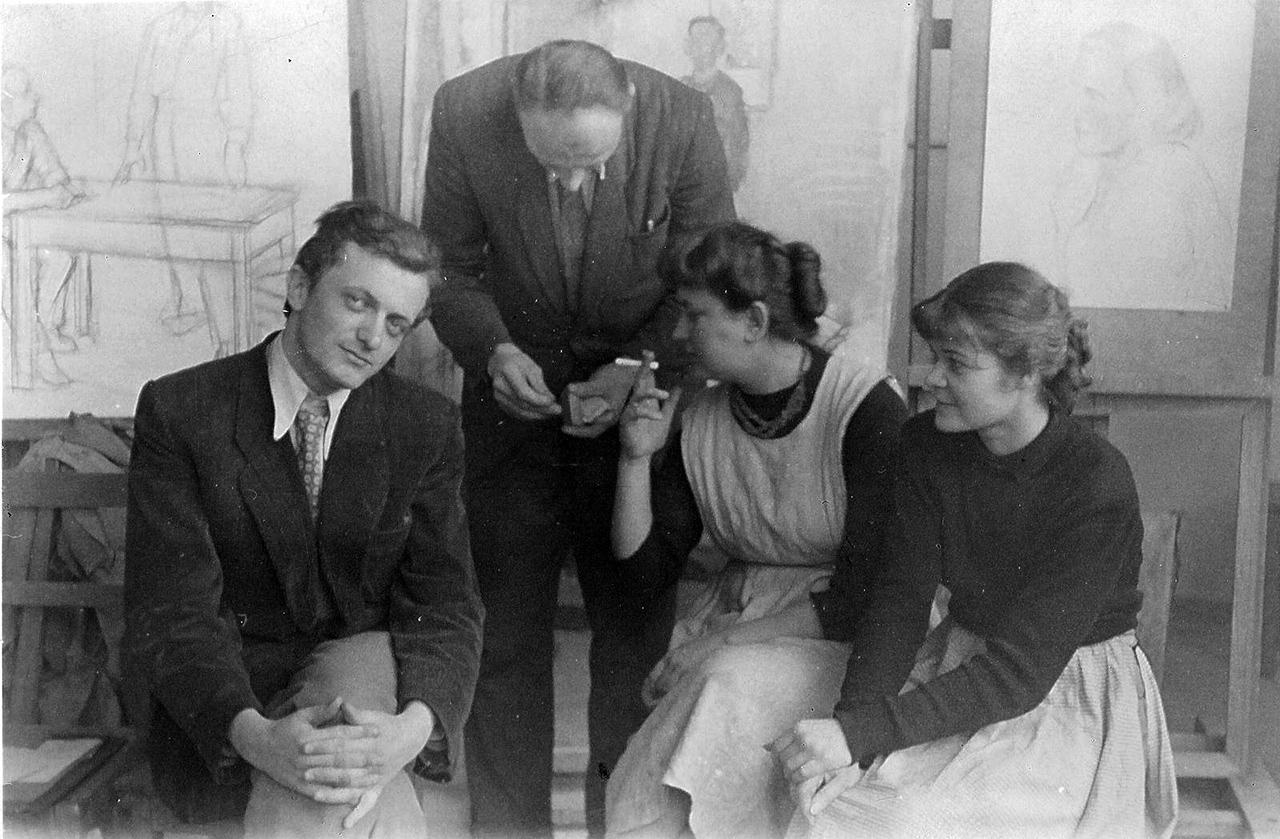
During the German occupation he attended the underground classes of the Konrad Krzyżanowski School of Painting and Drawing run by Adam Rychtarski in Warsaw.
Formed by Konrad Krzyżanowski in 1900, the private School of Painting and Drawing was reactivated in 1918. Between 1919 and 1922 Adam Rychtarski was Krzyżanowski’s assistant teacher. From 1922 until the Warsaw Uprising the school continued under Rychtarski’s management as the Konrad Krzyżanowski School of Painting and Drawing, located on the top floor of the townhouse at ul. Poznańska 23.
The picture of this excellent artist’s oeuvre and activity should be pure and undisturbed by anything that is random, anything that is external to that oeuvre. We now have his works before us. If, however, we recall the inauspicious history of the reception of this painter’s art, we do so because issues of a more general nature can be observed here. And then Rychtarski will be a phenomenon pertaining to a certain larger pattern. Namely, artists’ lives have more than once run their courses unnoticed and more than once surfaced years later as an important contribution to culture.
Rychtarski is not the only one here: he is firmly entrenched in the group of those many who took their calling so seriously that they deemed any effort at popularization irrelevant. They were too engrossed in art itself to take it to the people. And the people are very obedient in this respect: they are more than willing to reciprocate the lack of interest. […]
Adam Rychtarski was part of a generation in which a painter was an artist. Now is not the time to explain what this means. Suffice it to recall the meaning of artistry. Everything he did bore a mark of inner necessity, of the greatness but also the impermanence of artistic work. Everything refers to hidden truths. […] Rychtarski had this characteristic of the artists of old: the study was the stuff of his everyday life. It was a lesson in humility, a bridge whereby, unawares, we are transported by a few apples on a plate into a generalized picture of existence. These studies were painted with pious concentration, and we—the students—sensed and remembered this sense of concentration pervading our Professor’s studio.
Jacek Sempoliński, excerpt from the introduction to the catalogue Adam Rychtarski…
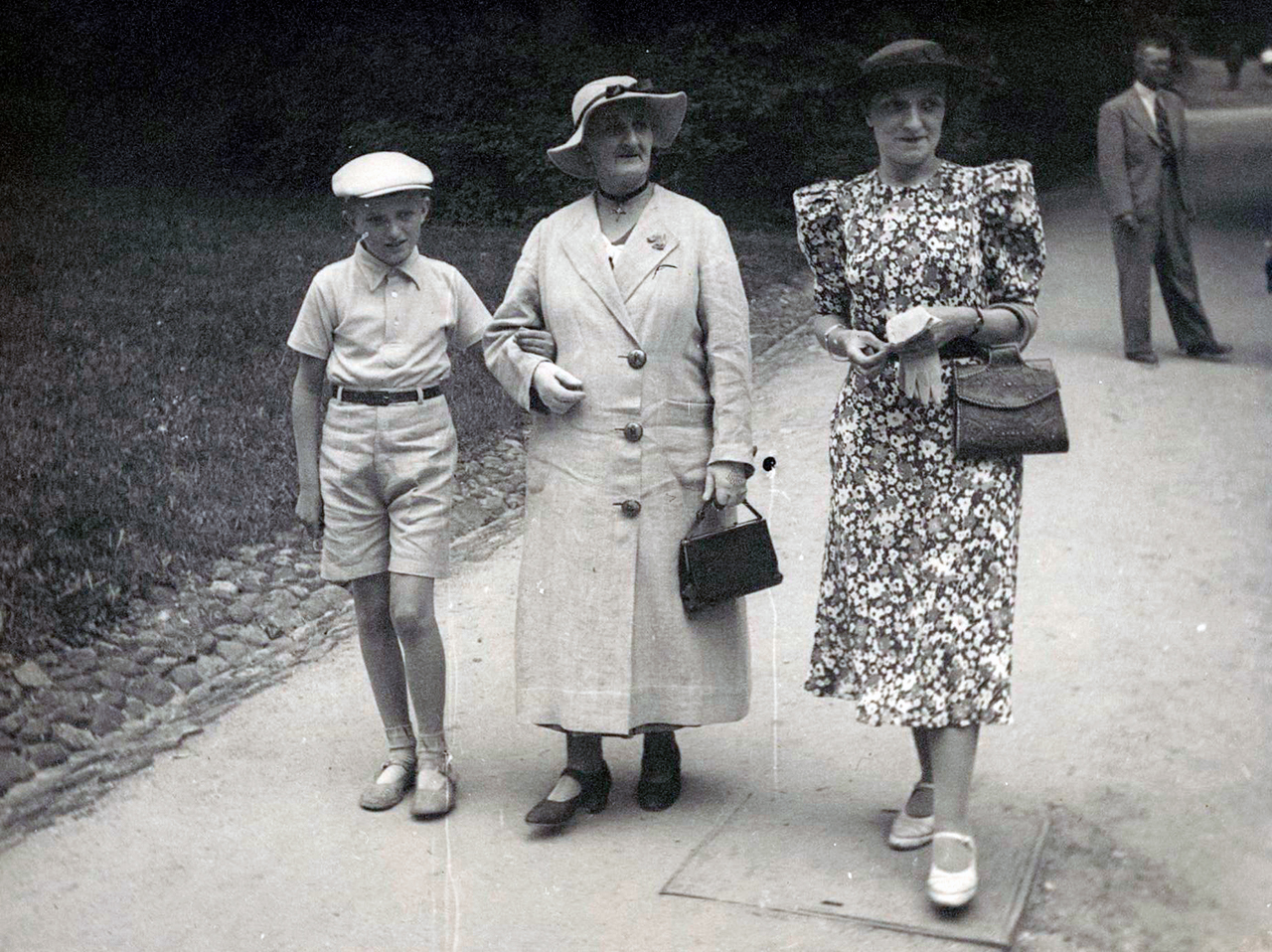
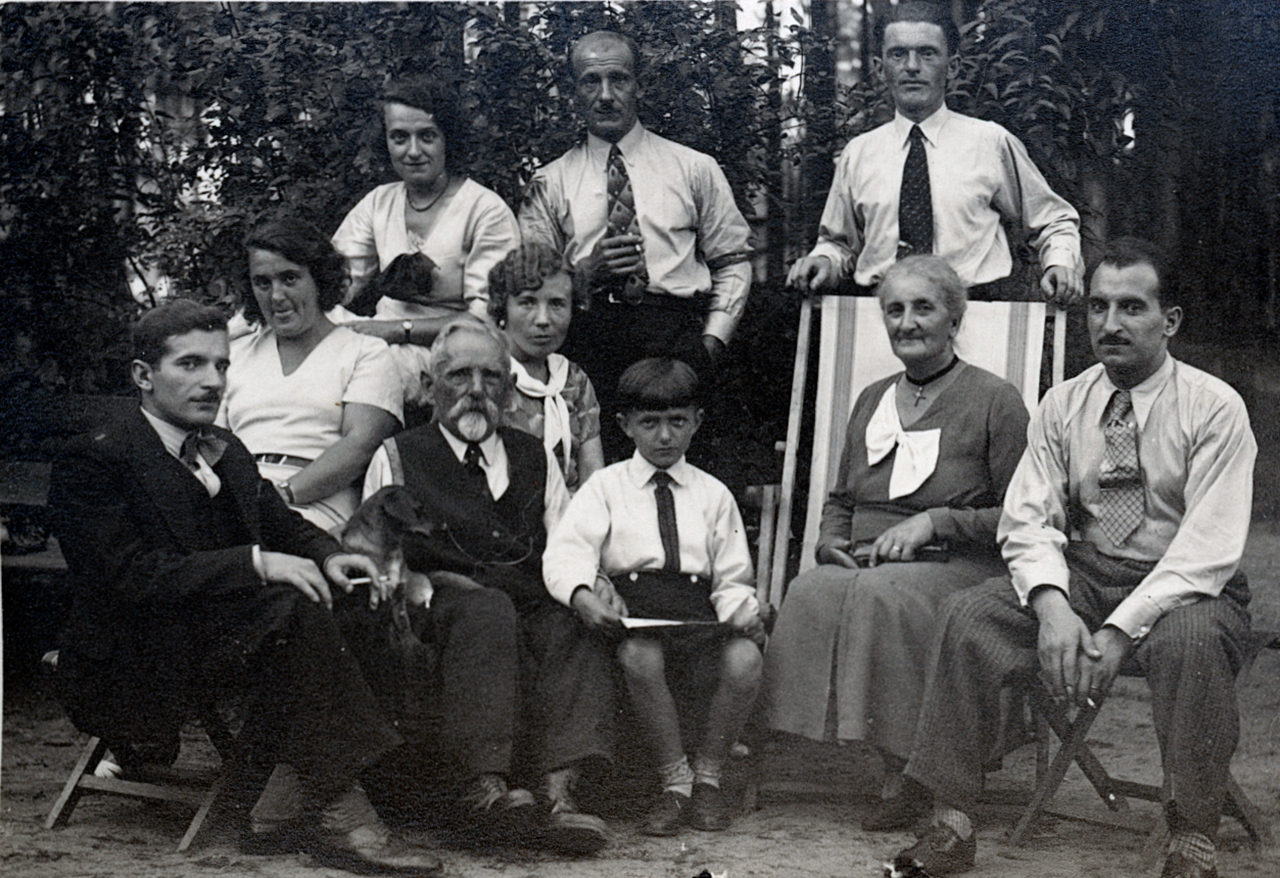
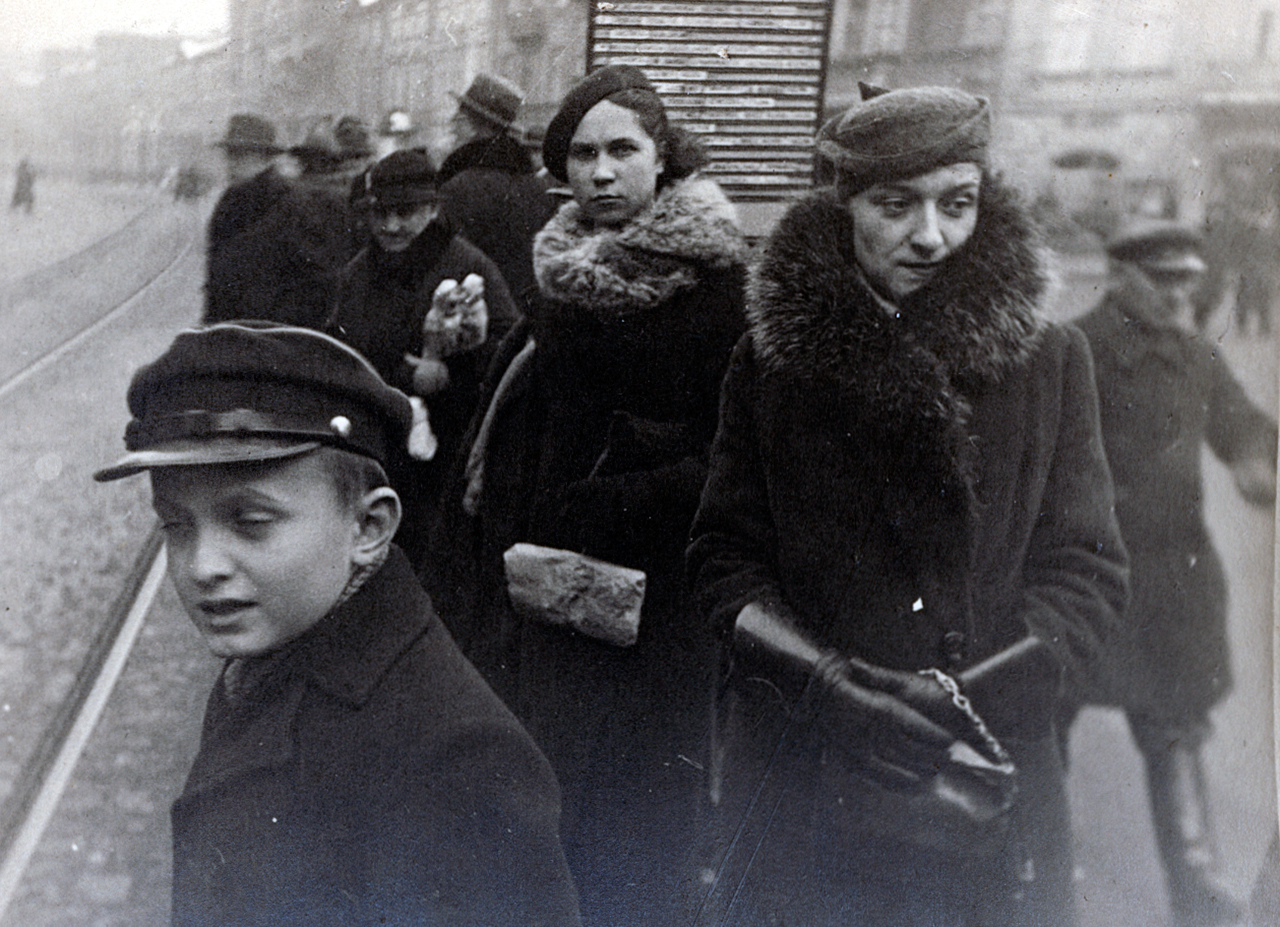
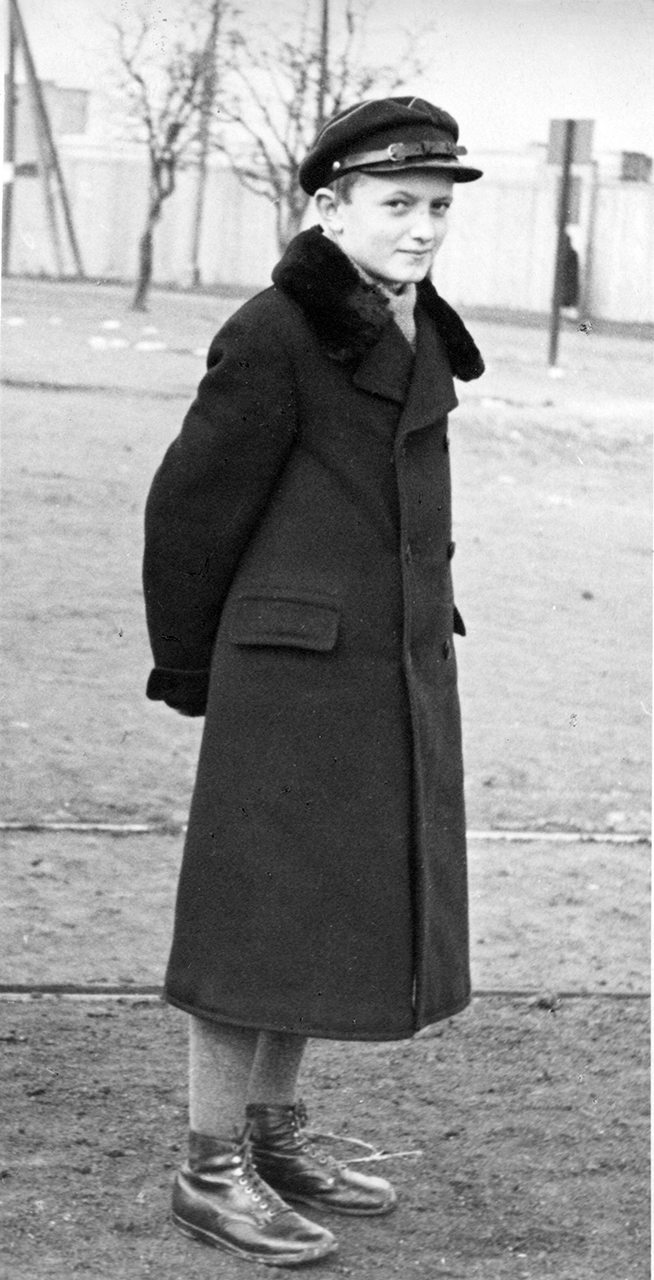
1944 / 1945
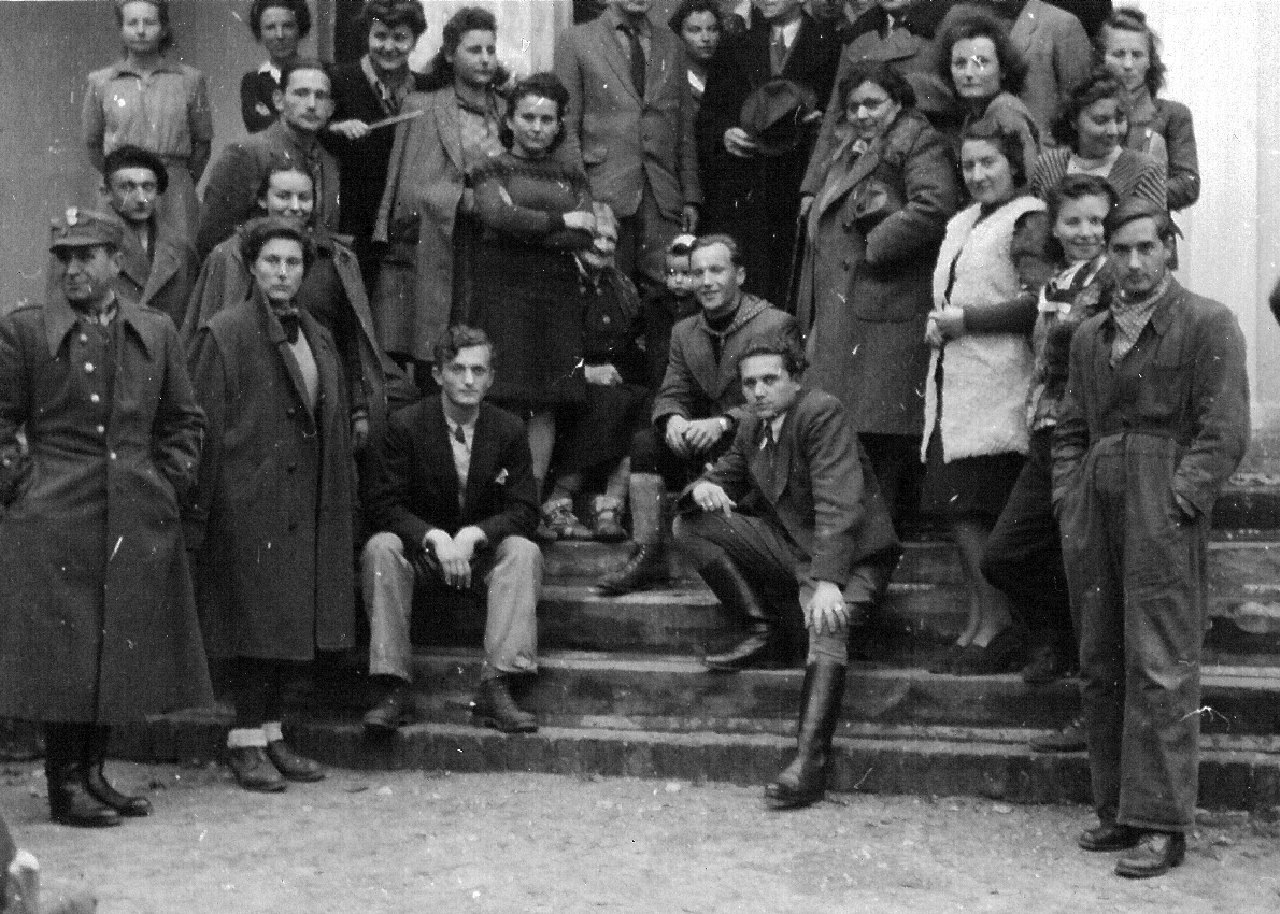
Expelled, with other residents, from Warsaw during the Uprising, he stayed in Podkowa Leśna till the end of the war.
1945 - 1946
In 1945, he was admitted into the First Municipal Secondary Commercial School at ul. Brzeska in Warsaw, where he graduated the same year. A lengthy illness, however, prevented him from pursuing higher education directly after secondary school.
1946 - 1951
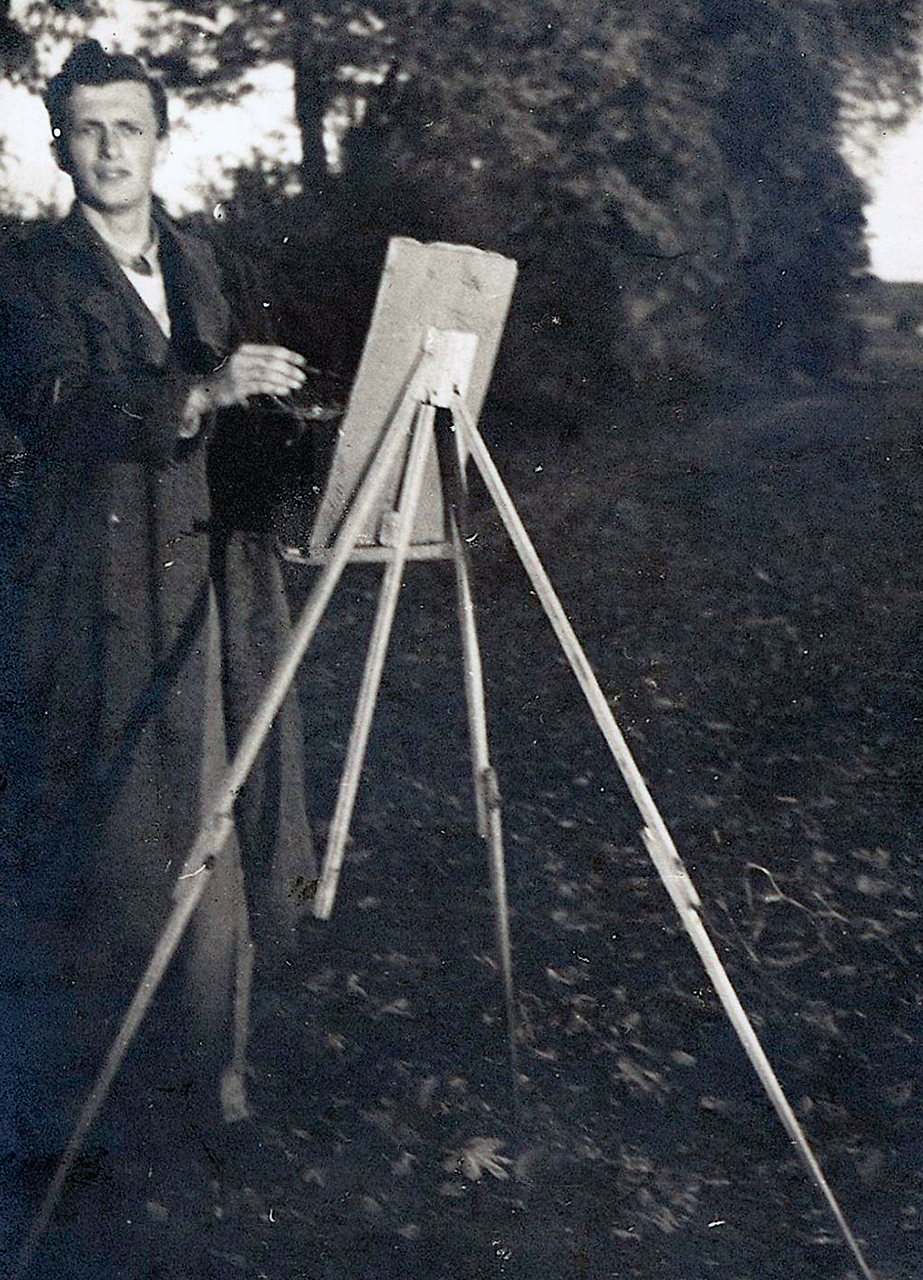
Studied painting at the Academy of Fine Arts in Warsaw. During his first four years (until the academic year 1949/50) Jan Seweryn Sokołowski was his professor of painting and drawing. In 1950, the academy was reformed and, after being merged with the Higher School of Plastic Arts, was renamed the Academy of Plastic Arts. One of the consequences of the reform was the extension of the degree programme from four to five years. In his fifth year (1950/51), he studied painting under Professor Eugeniusz Eibisch. In addition to painting and drawing, he took the following courses: history of art under Prof. Ksawery Piwocki (2nd–4th year), history of artistic doctrines under Prof. Juliusz Starzyński (5th year), as well as painting technology, perspective, anatomy, and three- and two-dimensional composition. He spent the summer breaks in 1947 and 1948 in the academy’s plein-air retreat in Sufczyn.
– Professor, do you remember the exhibition ‘The Young People Are Fighting for Peace’ in 1950?
– I do, of course; it was actually associated with a dramatic moment in my life… […]
The socialist realist directives were already in place at the Academy but I didn’t even try to envision myself following them. The general atmosphere, however, was like this: shouldn’t we break through the cherished aestheticisms, formed after the Kapist pattern? People were wondering whether they were not a limitation on art, just like the brutal tenets of socialist realism; debates were underway on leading painting out of the postimpressionist garden onto a more austere and ideas-driven path. And then the idea of holding a nationwide exhibition of the young came up. […] The organizers were giving away paints and stretchers, and I thought – and this was right before the summer break – that I would let myself be tempted. […] I took it all to Kazimierz and began to come to terms with the whole idea. I chose a Spanish Civil War episode as my subject. At the time I was fascinated by Spain, the Spanish culture, my imagined Spanish landscape – so I thought that I would depict a scene in a landscape: perhaps Toledo somewhere in the background, some action in the foreground, someone getting killed…
And I started painting it. A fellow student, a girl, had a camera with her, so I arranged other students in the required poses, and she photographed them several times. I proceeded to paint and… half the way through I abandoned the whole thing. Not even out of disgust, simply out of realization that it was not my subject matter, not my path, so there was no reason to force and delude myself. […]
So that was a dramatic moment: I tried and I fell away. I fell away, being aware that that path was closed off to me, that I had to set a different course for my life. I just didn’t know what the price of it would be. There was no predicting the future. Everyone was reckoning with the eventuality that they were going to spend their whole life in Poland painting socialist realist pictures. […]
Soon after that I completed my studies without a diploma. That’s because the diploma project consisted in painting a thematic composition. […] I had a complete set of credits entered in my student book – meaning that I had completed my studies. That was sufficient credentials for joining the Union of Polish Artists and Designers (ZPAP).
The Polish socialist realist episode and my private episode within it made me think this way: perhaps I should take up stage design. I’d had a flair for it even as a child, so I headed for the Faculty of Scenography, whose leading light at the time was Daszewski, a prominent stage designer, reputed to be an extremely strict professor, who cut down anyone who came close to him. […] What happened to me subsequently was ‘the Arsenal Show’; I became involved in painting and told Daszewski I was resigning as a scenography student. He raised hell with me […]
Jacek Królak, Arsenał. Master’s dissertation prepared under the supervision of Prof. Jacek Sienicki. Academy of Fine Arts in Warsaw, Faculty of Painting, 1988, TS, AFA, Museum of Academy of Fine Art in Warsaw.
1949 - 1952
Collaborated with Jan Seweryn Sokołowski on his monumental project: a plafond in the National Theatre (1949; destroyed by fire in March 1985), and an entry in the interior design competition for the proposed Warsaw metro (1952). Formally, his name is not included in the documentation of these works because, as a student, he was not entitled to such credit.
1951 - 1953
After completing his fifth year of painting studies, he requested a certificate of completion of the programme (which he received on 6 November 1951), and at the same time enrolled in the Faculty of Scenography, where he studied in the academic years 1951/1952 and 1952/1953 under Prof. Władysław Daszewski. From 1952 onwards, he both studied and worked (in the areas of stage design and mural painting; see 1952–1953 and 1953–1957).
Before May 1952
Received the First Prize in the national exhibition of scenography students’ works, held at the Academy of Fine Arts in Warsaw.
26 May - 23 July 1952
Took part in the First National Exhibition of Interior Architecture and Decorative Art at CBWA Zachęta in Warsaw, showing a scale model of the stage set he had designed for Racine’s Andromaque.
1952 - 1953
Worked as an assistant to the National Theatre’s scenographer (and also his professor at the Academy of Fine Arts), Władysław Daszewski, on set designs for several productions, among them Revenge by Fredro (for which the team including Bohdan Korzeniewski, Władysław Daszewski, and Jan Kurnakowicz received the Second Degree State Award in 1953).
1953 - 1957
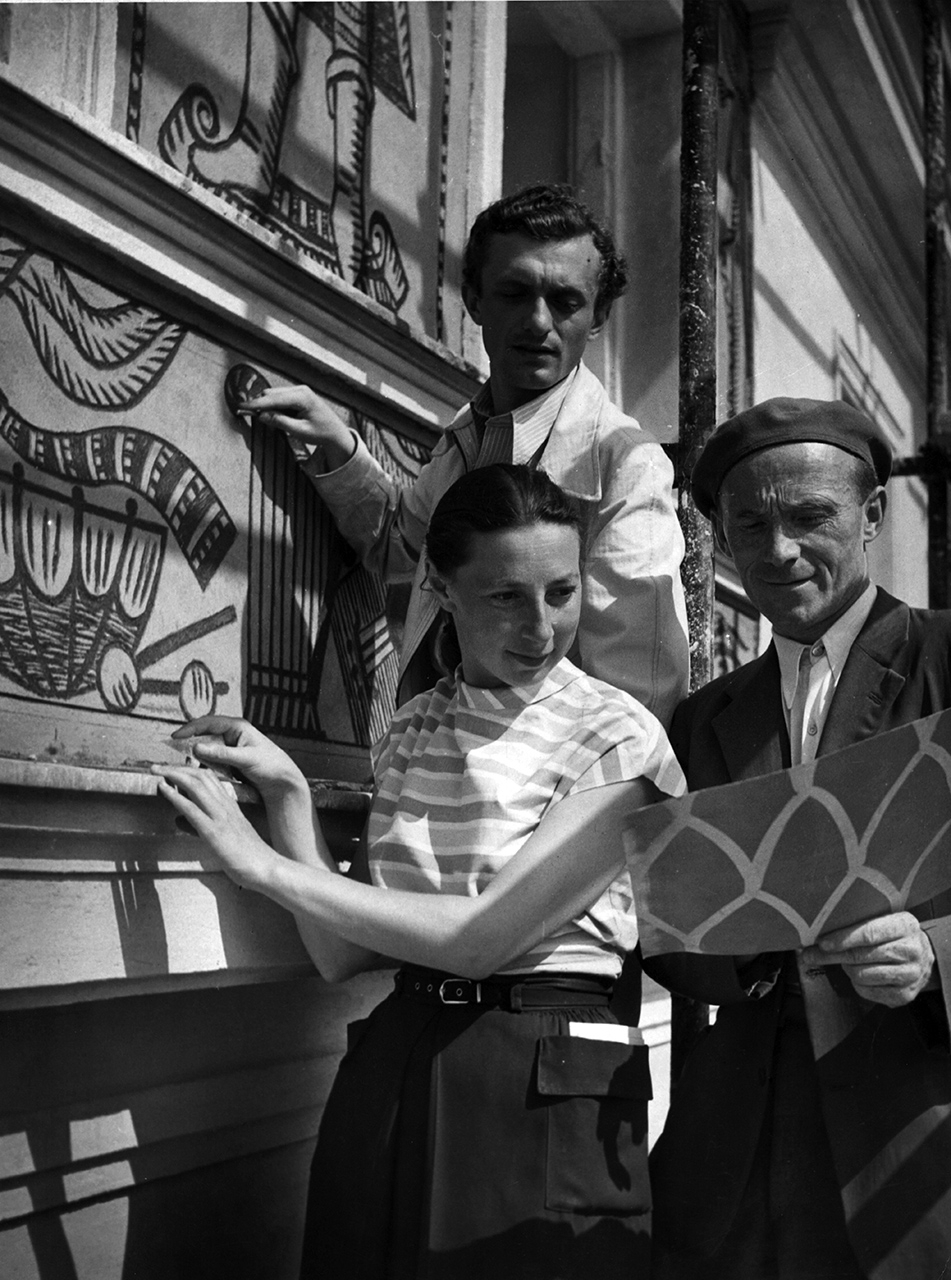
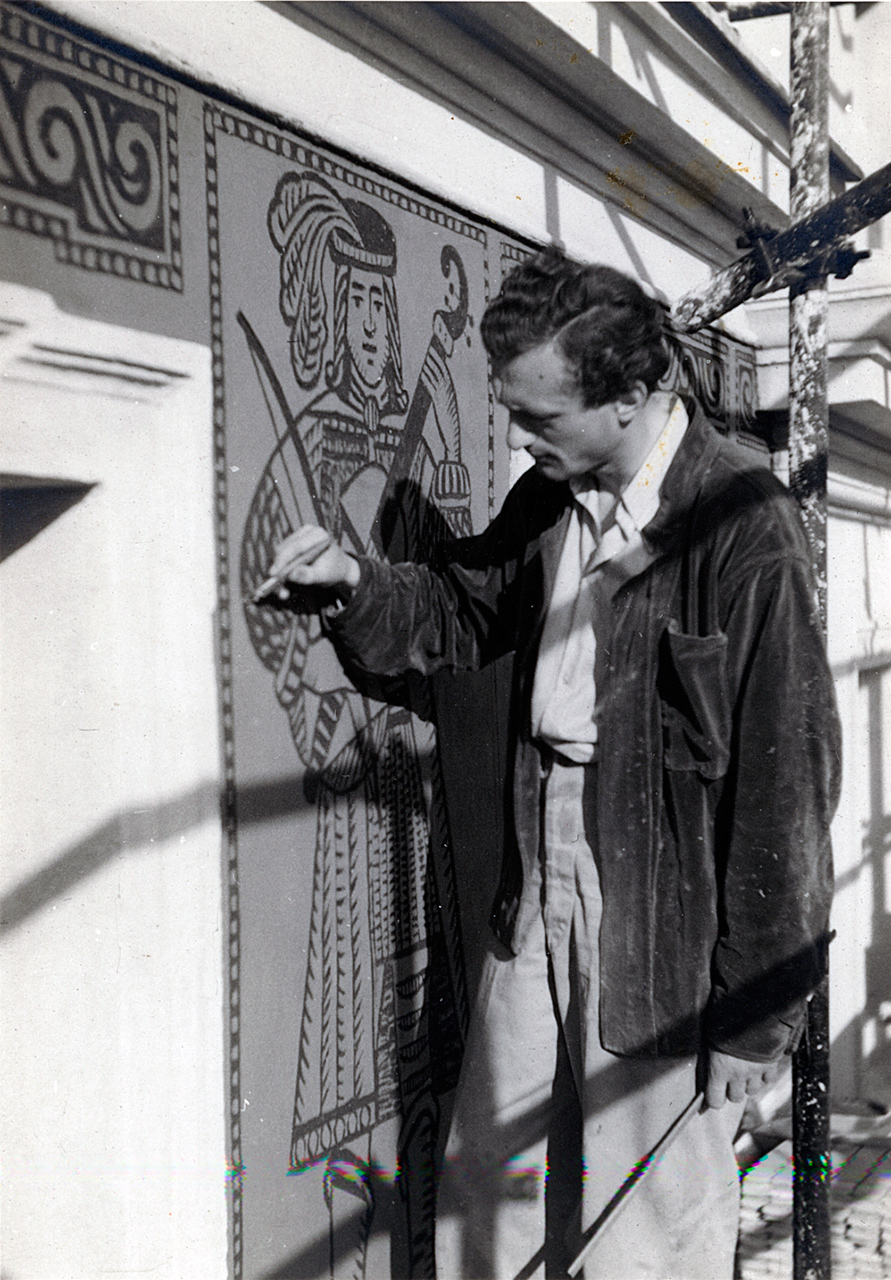
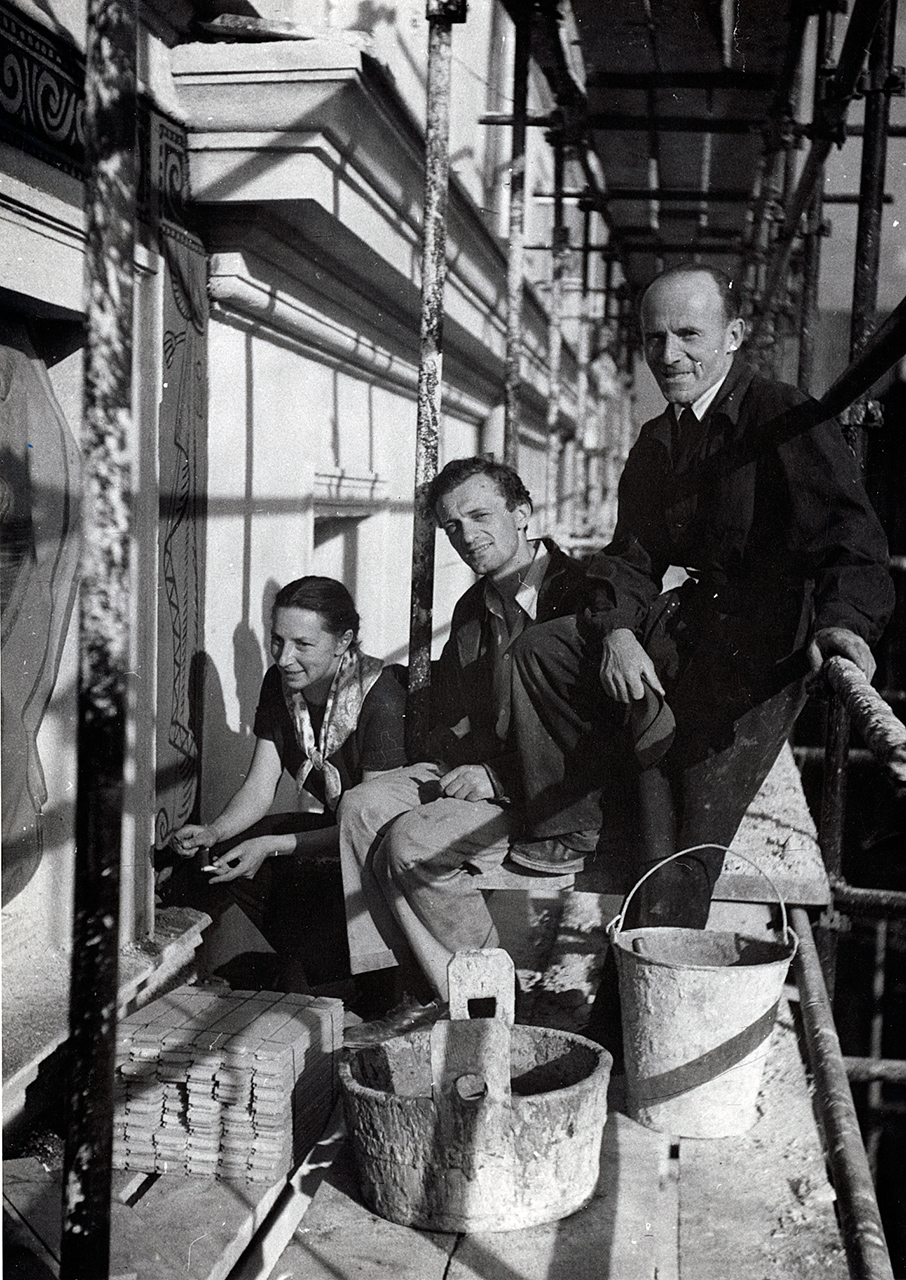
Working in a team with Jan Seweryn Sokołowski and Zofia Czarnocka-Kowalska, as well as on his own, he designed and executed decorations (sgraffito and polichromy) on the facades of reconstructed historic townhouses in Warsaw: nos. 8 and 22/24 in the Old Town’s Market Square (team project), and no. 4 in the New Town’s Market Square, in addition to ul. Nowomiejska 17 (individually).
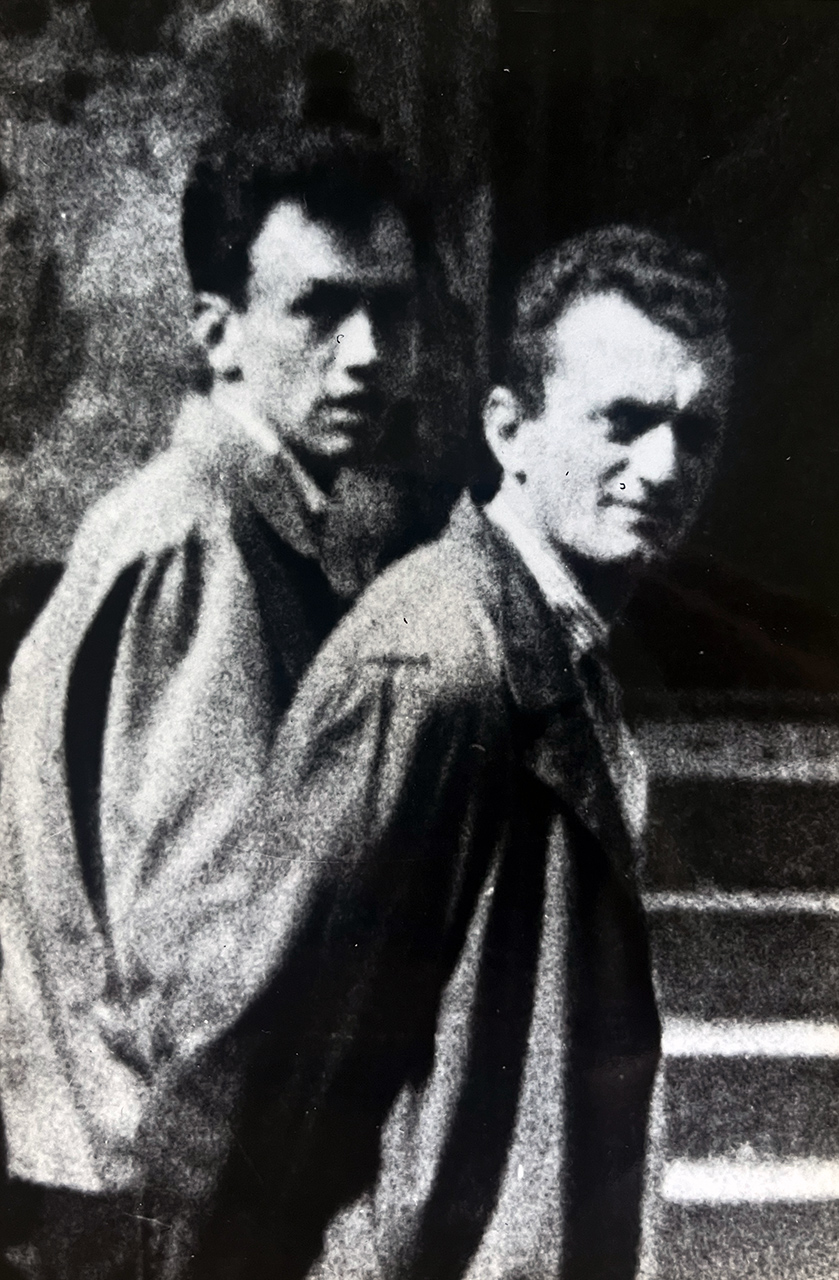
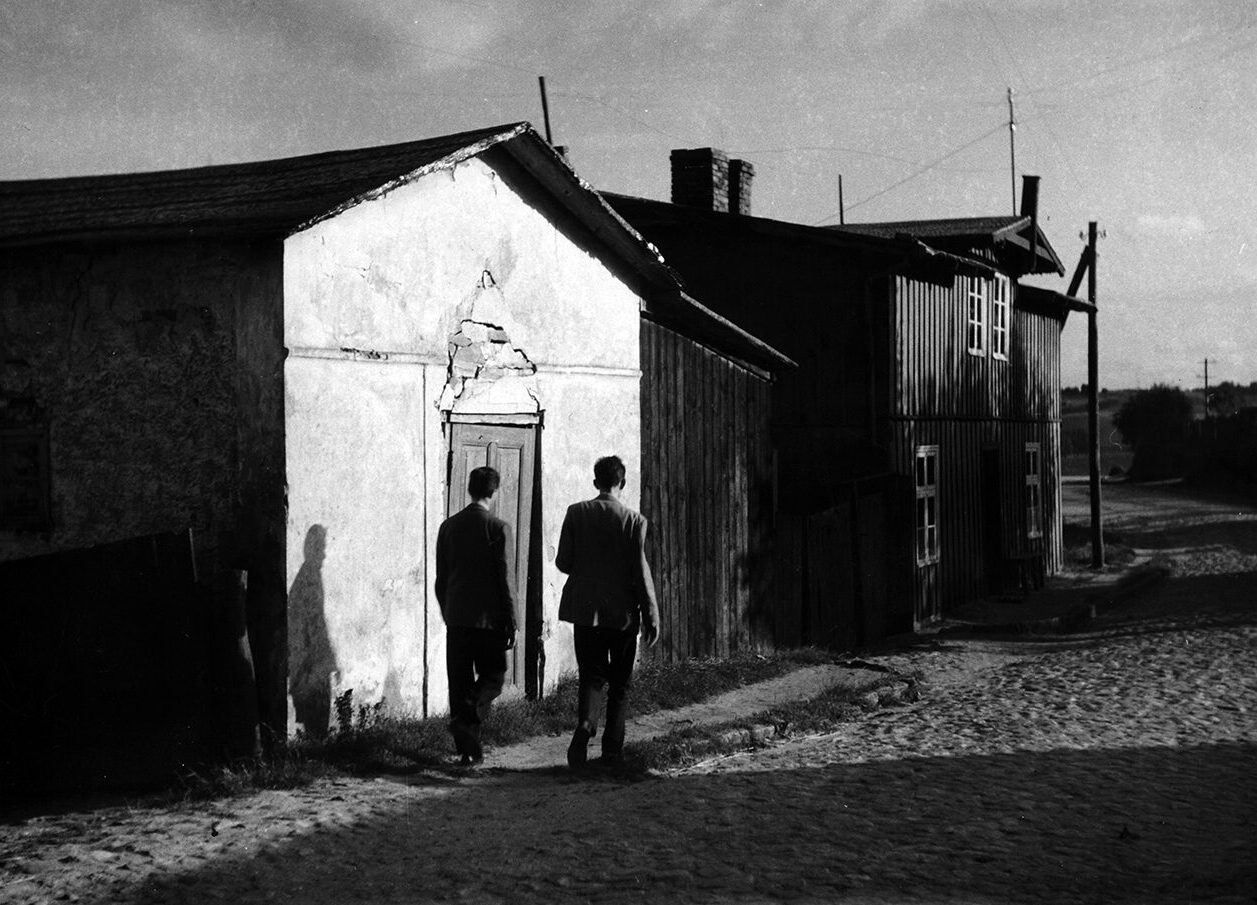
22 July 1953
Received the Second Degree State Art Award (granted to the team) for creative contribution to the restoration of polychromes in the Old Town Market Square in Warsaw.
1954
Received the Gold Cross of Merit (for work on polychrome decorations of townhouses in Warsaw’s Old Town).
January - March 1955
Military service in Warsaw.
… just when I became enthusiastic about mural painting, the idea of holding an exhibition in the Arsenal came up. I could not take part in the intensified discussions and organizational works because I was taken into the military. I spent three months in the army; admittedly, it was in Warsaw, I did some office work at the WKR (Military District Committee) and I continued to live at home but nonetheless it was so depressing that I had no strength to go to various places and take part in the discussions.
I was discharged on the 1st of April; by then the deadline for submitting entries in the competition had already been set. In the meantime, however, I had managed to practise painting, despite the theatre and other activities, of course not to the desirable extent, but still I painted quite a lot. After discharge, I was able to finish the picture that I had been painting on and off. I submitted that and two other paintings […]; one made it through, a still life, the one that mattered the most to me.
And that moment was very important to me because it reconsolidated me with the painting milieu after all these adventures and spells of discouragement. It made me aware of the right path: that nothing else could exist in my life other than painting.
Jacek Królak, Arsenał, op.cit.
Irrespective of what stance young people took towards the Kapist formulas, they sensed the concord of idea and its realization, which they encountered in the studios and in their conversations with the professors. They understood that art was a way of manifesting one’s worldview, was immanently bound to it and, even if the specific worldview and artistic doctrine per se did not always coalesce with the young people’s premonitions, it was that integrity that they found attractive. Those youngsters themselves deeply believed in integrity; it fulfilled their dream of great art, of a humanist conception of life.
Towards the end of the forties, the Academy began to be reached by news of a new widespread movement in art – realism. It was called socialist. The news filtered in from the press, from publications, from scholarly sessions, from conversations with colleagues initiated in the ways of political life. The period was crowned by the famous convention of art schools in Poznań, combined with a gigantic review exhibition of students’ works. Subsequently, an equally gigantic exhibition of the young was assembled at Warsaw’s National Museum, this time entirely devoted to the implementation of the new doctrine. It was also during that time that the first national realist exhibition of ‘the adults’ was held. The years 1949–1950 were a period of considerable confusion of concepts, major re-evaluations; a period of protest for some, of great hopes for others. Here they were facing the imminent rise of something that would be truly new, independent of the École de Paris, something that – in its universalism – would stand a chance to become a truly great period of art. All the gaps in the new doctrine, its primitivism, were given a kind of benefit of the doubt; at most, they were the subject matter of jokes or inconsequential irritations. Namely, mostly the young, but not only the young, were fascinated by the opportunity for change, curious of the new and unknown, curious of art which, after all, they were to make without any models to emulate. The Warsaw art milieu prepared very seriously for the national exhibition of the young artists. Stipends and painting materials were distributed, debates were organized. Discussions actually went on in private circles as well. The cafés of the time which were located near the Academy, especially the famous ‘Dołek’ (‘pit-hole’), were teeming with conversations, even arguments; new ideas and conceptions were being born. Even those sceptical about ‘the new’ were attracted by the intensity of that atmosphere. Finally, the exhibition was opened. It was a major surprise and… disappointment. Something that was supposed to be great became average, if not mediocre or downright bad. […] But it was not the appearance of the exhibition that disappointed the young painters so. There was also something deeper. Namely, many perceived the art of socialist realism as an opportunity for a great experiment, as an artistic path where one could not only paint new types of pictures but also – and above all – find a new kind of integration of worldview with artistic practice in painstaking labour. After all, as mentioned before, they all deeply believed in this integrity. To all of them art was a way of manifesting ideas and worldview. This is what they lived both before joining the Academy and as its students, in the studios of their masters. And while most had been tired of Kapism by then, no one wanted to part with the idea of integrity – that was something that no one was tired of. Those who had a very traumatic experience of the war, even if assuaged by the joy of renewed life after liberation, desired to find a mode of expression for that trauma and for the postwar reality. The young people had a need to activate the layers of consciousness in which historical experiences were deeply rooted, to translate into a language of art those of their views which that period of the most recent history had given rise to. That was accompanied by a hope that it would be possible, through artistic work in peaceful circumstances, to ‘regroup’ aesthetics, doctrines, their own habits, or temporary fascinations; that, by starting from scratch, as it were, via creations that were failed or only partly completed, they would finally manage to reach good results. These lofty ambitions were undermined by the practical reality of artistic life. There is no reason to discuss extensively the characteristics of that period; a reckoning with it has been long done. It is, however, worthwhile to stress the importance of the essential crisis – going beyond, as it were, the artistic sphere itself – which affected the more ambitious youth. Namely, it disturbed their belief in the possibility of integrating worldviews and attitudes with artistic praxis. Everything that served as motivation in art out of deep conviction – whether the old models or the aesthetics of colourism, or attempts at the aesthetics of realism – was undermined. This unity of the artist and his works, existing across views and movements as the main motivation for activity, was shattered. […]
In this atmosphere, an idea arose to organize a new exhibition of the young art during the World Youth Festival to be held in Warsaw. As you know, the exhibition was opened in the rooms of Warsaw’s Arsenal. It became a his- toric artistic manifestation. A lot has been written about it, and continues to be written. So there’s no point in repeating here what can be read elsewhere. With one correction, however: publications on the Arsenal Show always stress what you might call the stylistic features of that exhibition. Its expressionistic character (of often foreign provenance), epigonism, traditionalism, and lack of proposals directed towards the avant-garde trends in world art. Irrespective of how correct these descriptions and critiques have been, how reliable and in-depth the diagnoses, it seems appropriate to point out one important feature. The Arsenal Show, commonly referred to as an exquisite exhibition of poor paintings, was a new attempt at creating a model of art which, after years of latency, would restore the artist’s integrity, that concord of praxis and attitude, idea and its solution. Taking this perspective into account, the Arsenal Show was not a revival of the spirit of nationwide exhibitions but rather a negation of those exhibitions. This is why it was so attractive, why other creative circles (writers, musicians) envied us. It was the very spirit of the Arsenal Show that exerted this pull rather than its expressionist aesthetics. The power of authenticity and artistic identity overcame many reluctances. Modern life in its multifacetedness, the nightmare of the war and totalitarianism were given a convincing voice. The exhibition did not lack works that were in-depth reflection on human existence per se, on man’s perennial needs. So it was a complex and com- plicated – ‘three-dimensional’ – manifestation of art, and through its concord of idea and artistry also one that offered hope for the future.
Jacek Sempoliński, Malarstwo w ASP w latach 1946-1955 [w:] Akademia Sztuk Pięknych w Warszawie. Zeszyty Naukowe, Zeszyt 1/7/1984, s. 26-30
Fragments of conference paper: ‘Malarstwo w ASP w latach 1946-1955 szkolnictwa artystycznego w Warszawie. 75 lat Akademii Sztuk Pięknych, Akademia Sztuk Pięknych w Warszawie. Zeszyty Naukowe, vol.1/7, 1984, pp. 26-30.
July - September 1955
Took part in the National Exhibition of Young Art ‘Against War Against Fascism, held as part of the 5th World Festival of Youth and Students in Warsaw. The show was ar- ranged in the Arsenal building at ul. Długa, which gave it its name.
19 October 1955 - 11 January 1956
With a view to working at the Academy of Fine Arts, he initiated efforts to obtain a diploma.
In his application for the issuance of a diploma dated 19 October 1955 ‘in connection with taking up the position of asystent in the Faculty of Architecture at the Academy of Fine Arts’ (cf. 1 January 1956) he wrote: ‘Submit- ting this application, I refer to works shown in exhibitions (1954 district exhibition and festival exhibition at the Arsenal, prize-winning), mural painting works in the Old Town (Second-Degree State Award and Gold Cross of Merit), and five works submitted to the Diploma Committee.
‘ On the basis of these works and other achievements specified in the application, the diploma Committee conferred a diploma in painting on Jacek Sempoliński by their decision dated 11 January 1956.
1 January 1956
Began to teach at the Academy of Fine Arts in Warsaw, which he did until his retirement on 30 September 2004. Until 1977, he taught at the Faculty of Interior Architecture (renamed Faculty of Plastic Design in the academic year 1971/1972), where he held the following positions:
- from 1 Jan 1956 deputy asystent in the painting and drawing studio of Prof. Zofia Czarnocka-Kowalska
- from 1 Oct 1956 asystent in the same studio
- from 1 Oct 1961 adiunkt
- from 1 Oct 1964 lecturer
- from 1 Dec 1969 senior lecturer
- from 1 Jan 1973 docent
- from 1 Apr 1988 professor extraordinarius
- from 1 Dec 1991 full professor
When the faculty where he was employed span off another one, the Faculty of Industrial Design, in 1977, he became a research fellow in it. From the academic year 1980/1981 he headed the Chair of Painting and Drawing (except for the period between February 1983 and August 1985, when this unit, renamed Chair of General Artistic Education, was headed by Grzegorz Kowalski).
J. S.: […] To me an artist is a man who is supposed to tell the truth about something. And that’s it. There are only two kinds, those who tell the truth and those who tell un- truth. Now, how this truth is to be traced, well that is a very difficult matter. This is going to be specifically resolved in the Last Judgment. Not in our time.
M. B.: How then, in relation to this, do you see the problem of evaluating works of art as a professor of the Warsaw AFA? Since it isn’t easy to trace the truth, how can paintings be evaluated honestly and objectively, and how can art be given an A or an F? Do you have some permanent criterion by which you grade students?
J. S.: None of us invents criteria right away, from scratch. A certain set of criteria is taken over from generation to generation. If we refer to our academy then, they have been flowing this way since the beginning of its existence and have reached our time. I believe there are several ba- sic laws by which a work of plastic art can be evaluated (roughly, of course). A margin of freedom must, however, be allowed for.
M. B.: What are these basic laws then?
J. S.: There are a few but they are so banal that there is actually not much point in enumerating them, namely: the law of balance, the law of contrast of chromatic value, contrast of colour, concord of elements, purposefulness in the use of elements, depending on the goal for which the specific work aims. You need to be aware that the criteria derive from the work which the teacher encounters, meaning that if a student brings a painting, I look at it and determine, more or less, where this painting is going and what obstacles are in its way. When you drive on a road and there are bumps and pits, then you know that these bumps are obstacles. They need to be eliminated, then you will drive faster and get further. The elements that interfere with the direction of this work are what I need to point out during correction. And in grading, exactly these elements that I have just listed play a role.
M. B.: Then all of it is ultimately very subjective…
that cooperates internally. They are thus subjective, but only partly because they are partly objective. If someone draws a nude, model, with one hand short and the other long, then of course it’s my business to see it; that is my subjective contribution, but the laws of anatomy are objective, so this is balancing between the objective and the subjective. I have to have the scent of an investigating judge who will track down the culprit. There!
Jacek Sempoliński interviewed by Marcin Bugalski: Profesory powiedzieli. Po co malarstwo?, ‘AaSPe’ Gazeta studentów Akademii Sztuk Pięknych w Warszawie, no.1, Spring 1996, pp.6-7
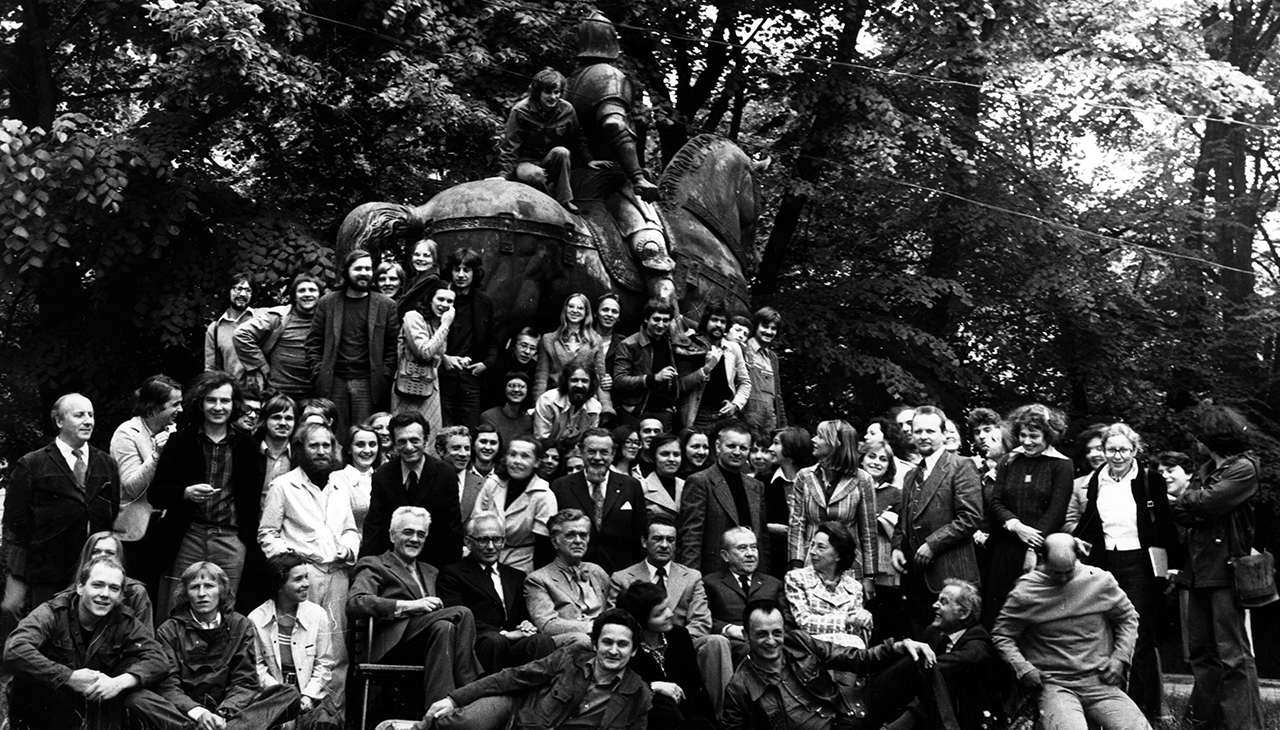
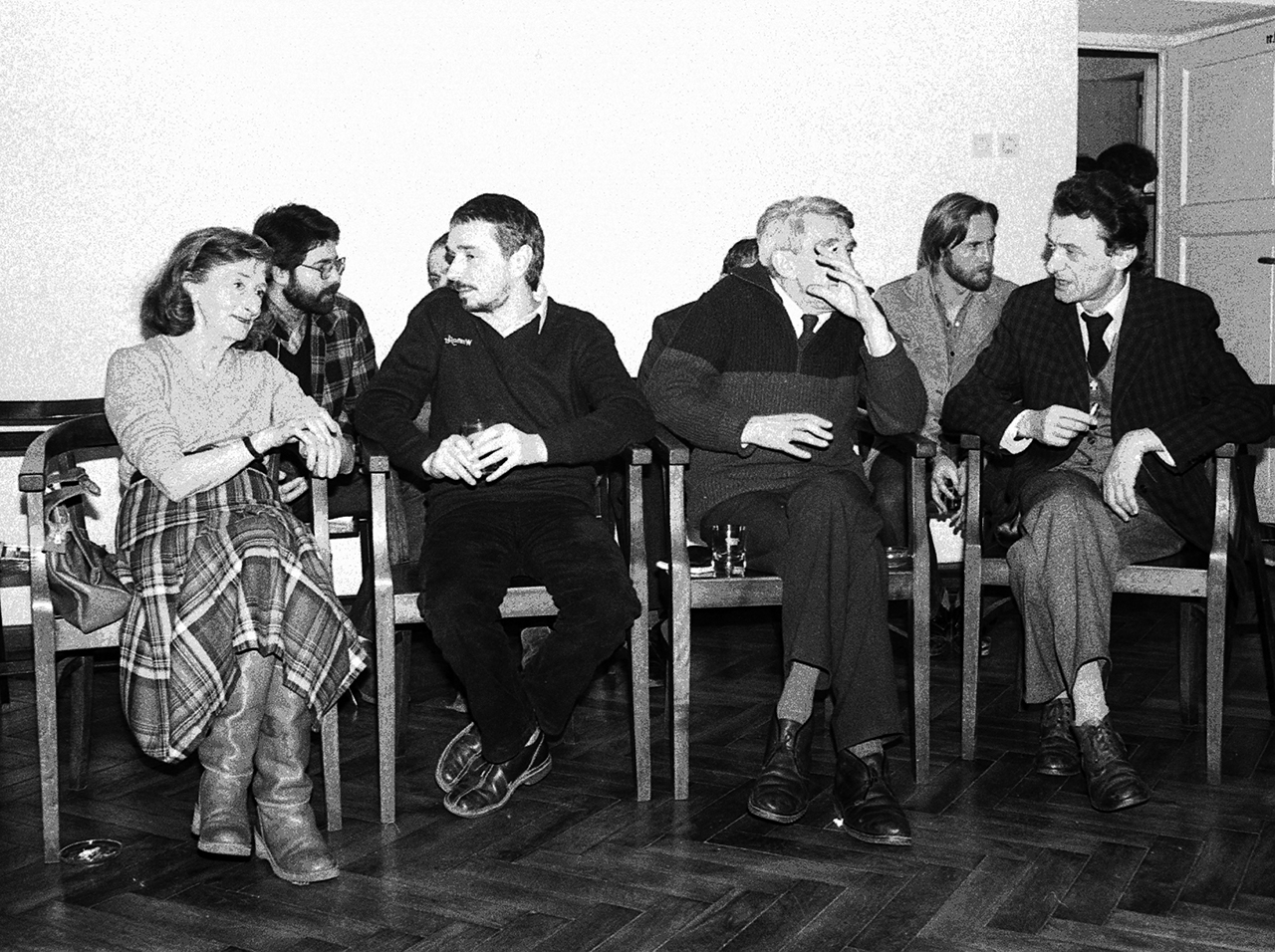
Summer 1956
Travelled to the German Democratic Republic in connection with his participation in the exhibition ‘Junge Generation’.
Autumn 1957
Went to Italy on scholarship from the Ministry of Culture and Art. From there, he travelled to Paris on his own.
I also visited Paris in 1957. At the time, the Ministry grant- ed foreign scholarships to young artists and I chose Italy. I went there with Sienicki, Oberlander and Dziędziora, but I also accepted the invitation from my aunt who lived in Paris, and from Italy I went to France.
Once there, I encountered art informel, like everyone else. It horrified and repelled me. I roamed the Paris streets aimlessly, lonely, irate and completely lost. I considered myself an ‘objectivist, a painter of landscape and still life – and here I was surrounded by some shameful tomfoolery, even clichés. […] Actually, I came back completely shattered. Italian painting – that was my homeland; but then you can’t be a contemporary painter and be fascinated by Cimabue, Giotto, or Titian. Because, what would you do with it?
I fell into a vacuum.
Jacek Królak, Arsenał, Master’s dissertation prepared under the supervision of Prof. Jacek Sienicki, Academy of Fine Arts in War- saw, Faculty of Painting, 1988, TS, AFA Museum of Academy of Fine Arts in Warsaw.
1958
Travelled to France and Italy again (sightseeing tour).
Late 1950s.
Met Wiesław Juszczak, an art historian with whom he will remain in a relationship for the rest of his life.
1958 - 1961
Collaborated with the Zakłady Artystyczno-Badawcze (Artistic and Research Workshops) of the Academy of Fine Arts in Warsaw. Was a member of Jerzy Sołtan’s team in the As- sociation of Polish Architects’ (SARP) competition for the urban design of the centre of Warsaw’s district of Wola, and a member of the team designing Bar Wenecja, a bistro in Warsaw.