
1932 – 2021
Wieslaw Juszczak
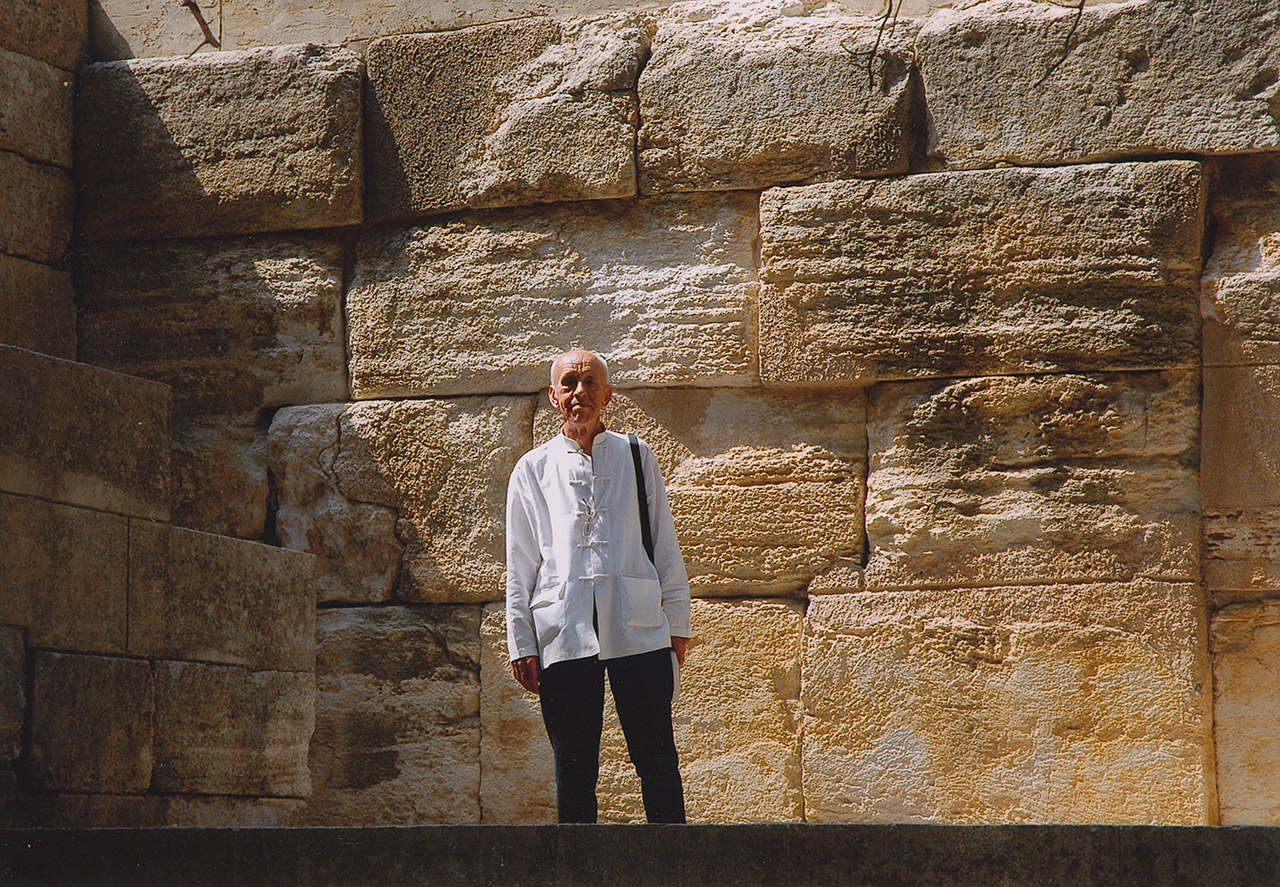
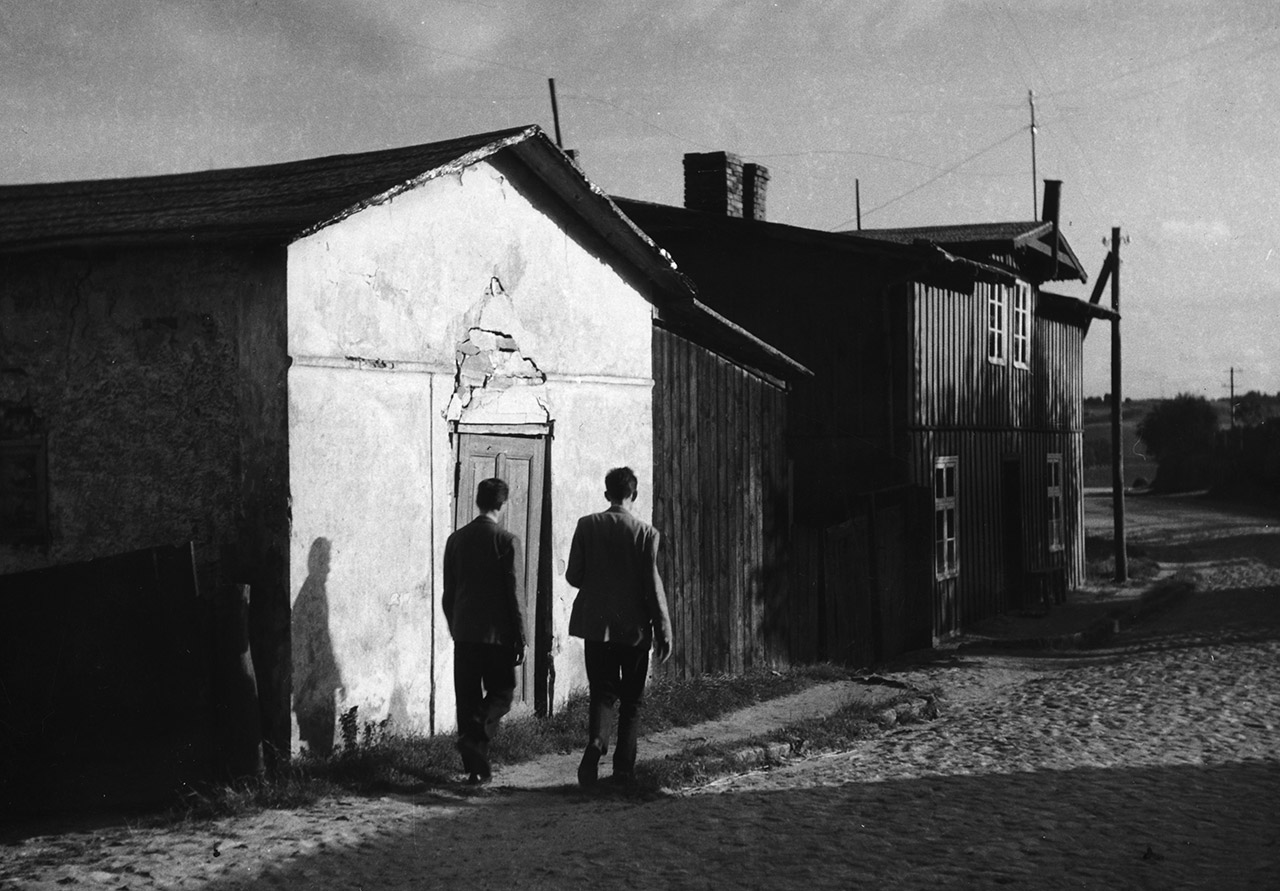
Wiesław Juszczak was born on 26 June 1932 in Warsaw, but would not live there for long. In 1935, the family moved to Chrzanów, where his father took up work at the Fablok locomotive factory. During the occupation, Juszczak received irregular education in this town, at home, and after the cessation of hostilities, in February 1945, he was enrolled in the Chrzanów grammar school. From the war period, he recalled reading Homer’s Odyssey in the basement, where he would take shelter during Allied air raids, and from the immediate post-war period, his literary and theatrical fascinations, including school trips to theatres in Katowice and Kraków, as well as being inspired by his grammar-school teachers: a Polish teacher and a Latin teacher.
In June 1948, Juszczak passed his minor maturity exam and in the autumn of that year, he moved to Warsaw with his parents. Due to the post-war birth-year chaos, his education at the Tadeusz Reytan High School in Mokotów was short and lasted only until 1950. The following students graduated from this high school with him that year: Jerzy Artysz, later a famous baritone opera singer and lecturer at the Academy of Music in Warsaw, then one of Juszczak’s close friends; Maciej Dubois, a future lawyer; Konrad Eberhard, who would become a film and literary critic; future art historians: Przemysław Trzeciak (who would become professor at the Academy of Fine Arts in Warsaw) and Tadeusz S. Jaroszewski (whom Juszczak would meet years later as fellow lecturer at the Institute of Art History at the University of Warsaw), and finally future professors at the University of Warsaw: archaeologist Jerzy Okulicz-Kozaryn and philologist and lawyer Jerzy Pieńkos.
Juszczak also studied music, which would become one of his lifelong passions. After a short piano course at the age of seven, he returned to studying piano at the secondary music-school level in 1948, but soon discontinued this path of professional education.
In October 1951, Juszczak began studying art history at the University of Warsaw – during the difficult Stalinist period and in select company. Among his fellow students were future celebrities of Polish art history and criticism: Jerzy Baranowski, Krystyna Janicka, Mariusz Karpowicz, Janina Ładnowska, Andrzej Olszewski, Andrzej Osęka, Andrzej Wat (who would emigrate to France after his studies), Danuta Wróblewska, future journalist and screenwriter Krzysztof Teodor Toeplitz, and filmmaker Mirosław Kijowicz. Elżbieta Grabska was the tutor for this year. Juszczak wrote his master’s thesis on the early-Renaissance Bodzentyn Tryptyku bodzentyńskim, pod kierunkiem Tadeusza Dobrzenieckiego, wybitnego mediewisty, pracującego także w Muzeum Narodowym w Warszawie.
Triptych under the supervision of Tadeusz Dobrzeniecki, an outstanding medievalist who also worked at the National Museum in Warsaw. In 1955, Juszczak graduated from the Faculty of History at the University of Warsaw. Years later, he listed Juliusz Starzyński and Władysław Tatarkiewicz as his most important university teachers, in addition to Dobrzeniecki. He also studied philosophy, and even planned to write a thesis under the supervision of Professor Janina Kotarbińska, but eventually, most probably in 1957, he abandoned this line of study.
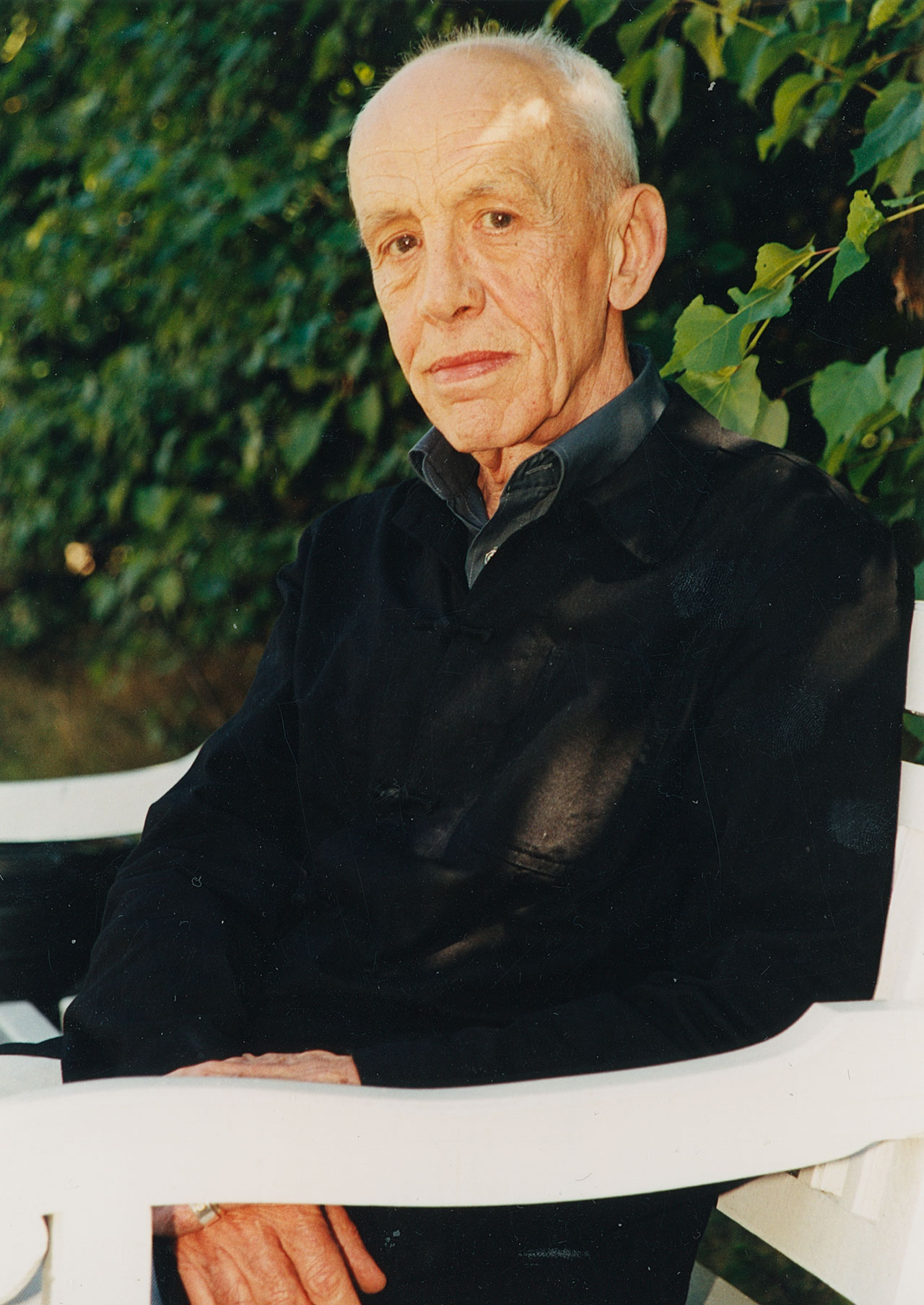
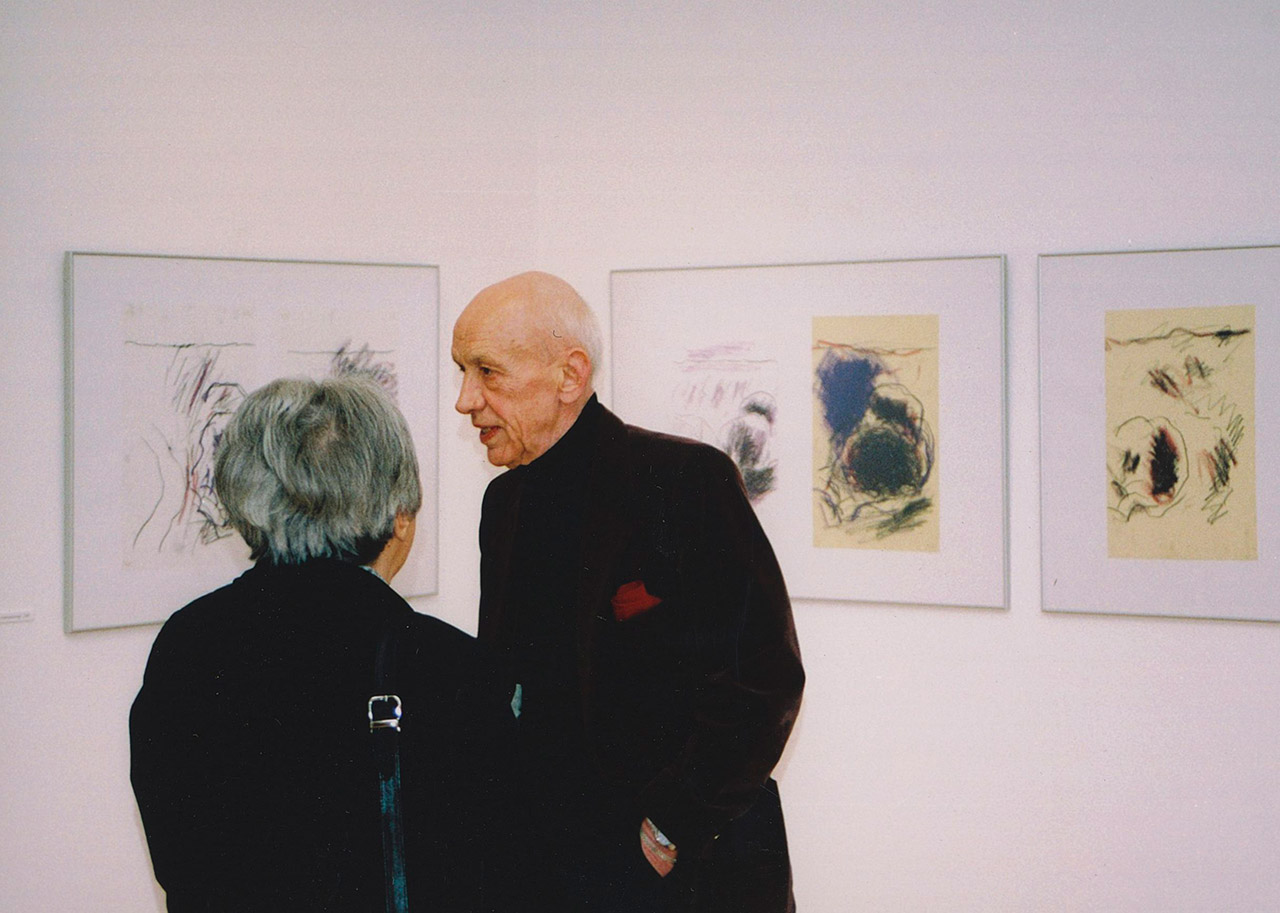
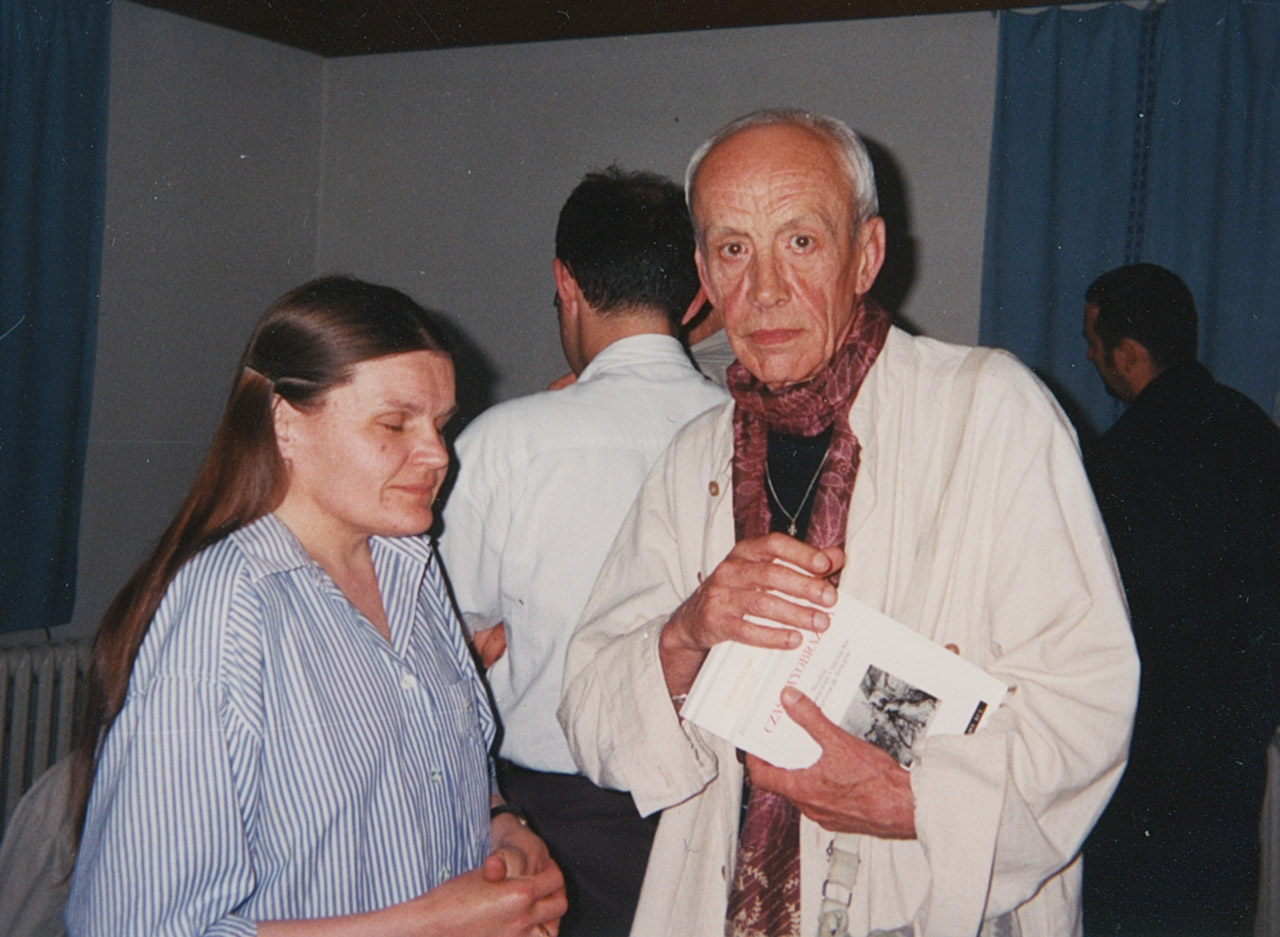
For a year, from October 1955 to September 1956, Juszczak worked as an editor at the Państwowy Instytut Wydawniczy state publishing house in Warsaw. He also occasionally wrote art essays and reviews for the Kraków-based Życie Literackie, as well as working on his doctorate at a seminar taught by Starzyński. In 1957, Wydawnictwo Arkady published Juszczak’s debut book, an essay on Artur Grottger. In October 1961, he was hired as an assistant at the Polish Academy of Sciences. On 27 June 1962, the day after his 30th birthday, he became a doctor of humanities. The defense of his PhD thesis took place at the same Faculty of History of the University of Warsaw where he studied, and was based on a dissertation on the work of Witold Wojtkiewicz, reviewed by professors Jan Białostocki and Kazimierz Wyka. The supervisor was Juliusz Starzyński. Published in 1965 as Wojtkiewicz and New Art, the essay would mark a breakthrough in the history of Polish modern art.
Consequently, in the autumn of 1962, Juszczak received a scholarship from the British Council and went on a one-year research internship at the Courtauld Institute in London. His tutor there was the famous modern art historian, Anthony Blunt, who suggested that he work on William Blake’s illustrations for the works of John Milton. At that time, Juszczak visited almost all of England and part of Scotland, and in addition to Blake, many of his fascinations were born there, most of which he would go on to develop years later: the so-called Elgin Marbles in the British Museum and the fascination with ancient Greece; British classicism and romanticism; painting by William Turner and the Impressionists; sculpture by Henry Moore (whose studio he had the opportunity to visit); Japanese and Swedish films, watched in a London cinema.
Starting from 1964 he worked at the Institute of Art of the Polish Academy of Sciences as an assistant professor. Having definitively abandoned research on medieval and Renaissance art, he focused on writing about the European 18th century, Romanticism, and the Young Poland movement. He also worked as editor for the Ossolineum and PWN publishing houses, including on the texts of Théophile Thoré selected by Hanna Morawska (1970); he collaborated on the anthology Artists on Art. From van Gogh to Picasso pod redakcją Elżbiety Grabskiej i Hanny Morawskiej (1969), był redaktorem naukowym antologii Elżbiety Grabskiej Moderniści o sztuce (1971).
edited by Elżbieta Grabska and Hanna Morawska (1969), and was the academic editor of Elżbieta Grabska’s anthology Modernists on Art (1971).
He also undertook translations of English-language scholarly literature in the field of art history.
In December 1976, his habilitation colloquium was held before the Scientific Council of the Institute of Art of the Polish Academy of Sciences; as a basis, he submitted (having abandoned the initial project of the thesis on Blake) a dissertation on Polish painting of the modernist period, and consequently obtained the degree of doctor habilitated in humanities in the field of modern art history and theory. The habilitation book, the sum total of his reflections on the art of Young Poland, titled Polish Painting. Modernism Polish Painting. Modernism (1977), emerged as a unique, sensational approach to the era. Juszczak held the position of associate professor at the Academy of Sciences until the end of 1987. On 18 December of that year, he obtained the academic title of associate professor of humanities, and on 1 October 1992, the title of full professor.
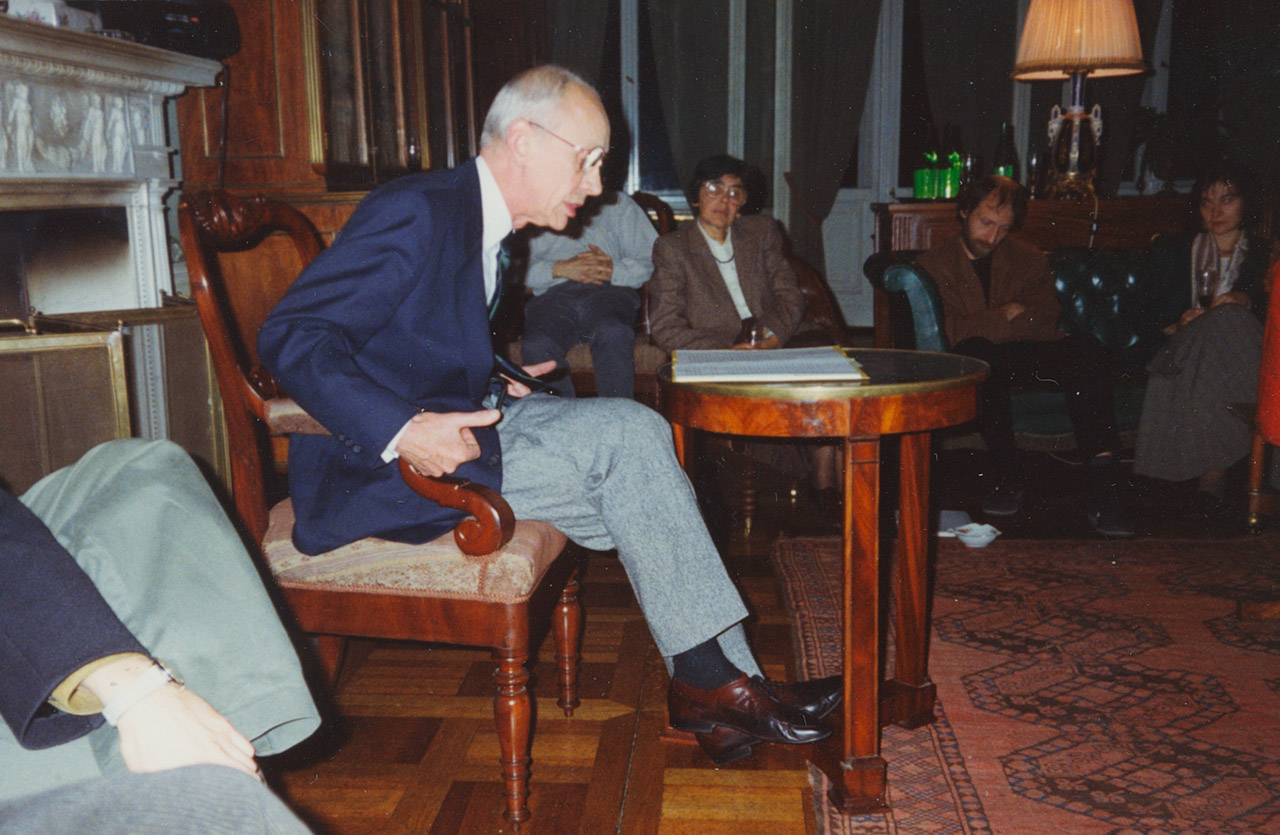
In 1985, he was simultaneously employed as an associate professor at the Institute of Art History at the University of Warsaw, taking up a master’s seminar on modern art after the sick Andrzej Jakimowicz. There, he taught monographic lectures (including on ornament in various cultures of the world, Martin Heidegger’s philosophy of art, Greek archaic thought on art) and regular master’s seminars, and with time only optional film seminars until 2011, even after his retirement. In addition to masterpieces by Antonioni, Bergman, Visconti, among others, the subject of his analyses were Japanese films, even those completely forgotten. These seminars were popular not only among students (of various majors, by the way), and Juszczak himself often translated dialogue lists for lesser-known films that had never been shown in Poland before. He also continued to work after his retirement in 2002 at the Institute of Art of the Polish Academy of Sciences, teaching, among other things, a doctoral seminar. He also lectured on art history at the Catholic University of Lublin. He supervised several dozen doctoral students, both at the Polish Academy of Sciences and at the University of Warsaw.
When the Artistic Olympiad, a competition of knowledge about art for high school students, was born in 1978, Wiesław Juszczak became its juror and sat on the Olympic finals committee for over a quarter of a century.
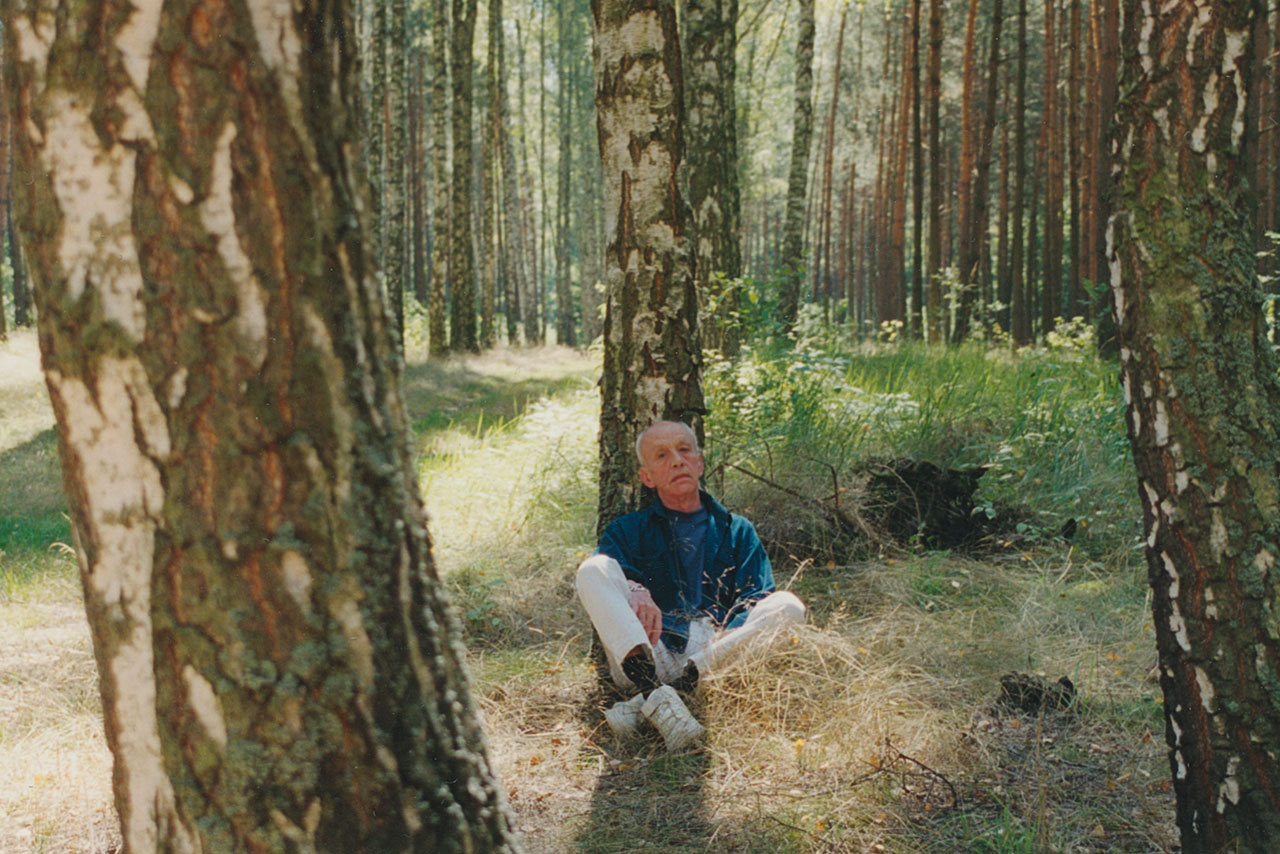
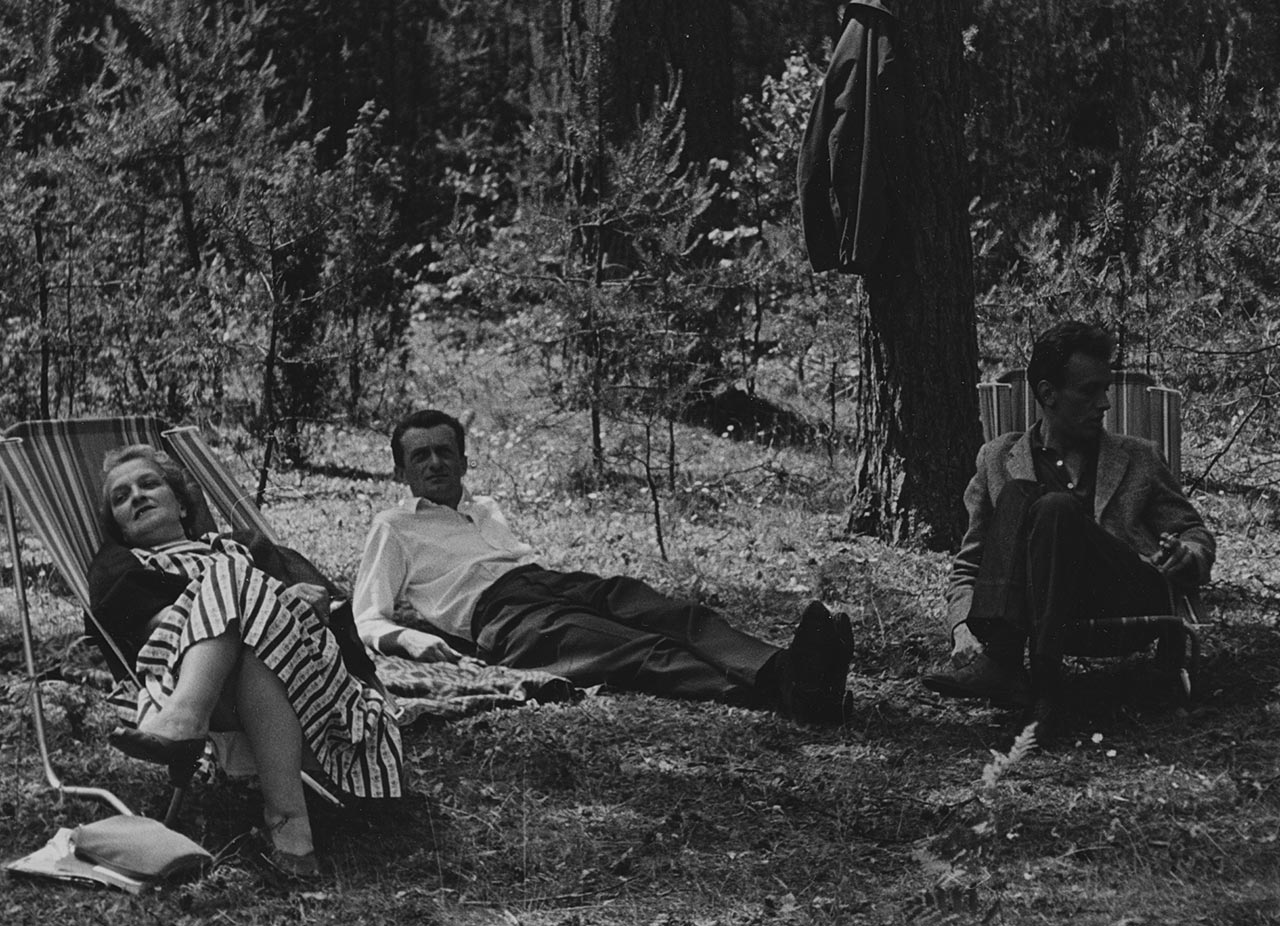
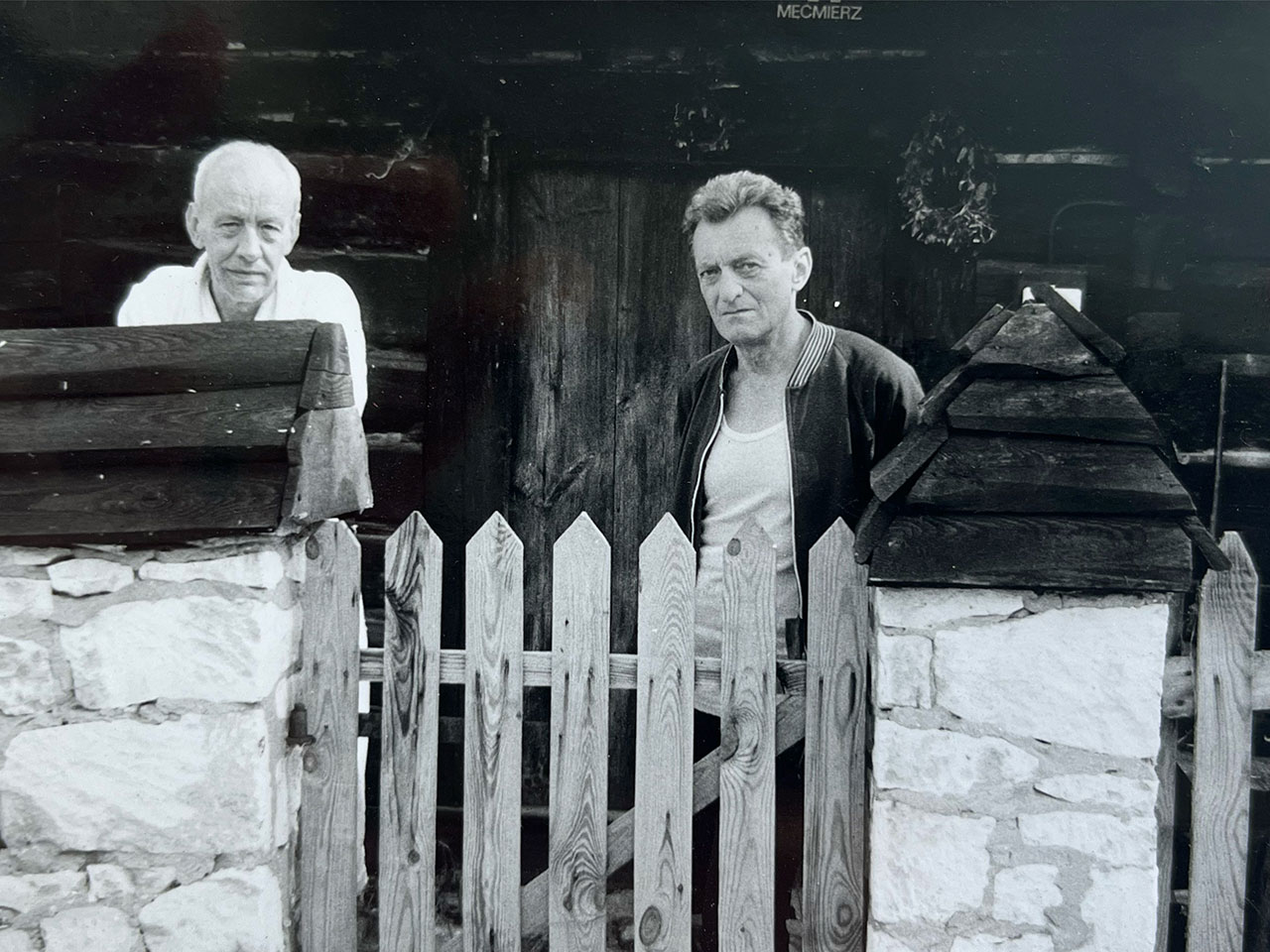
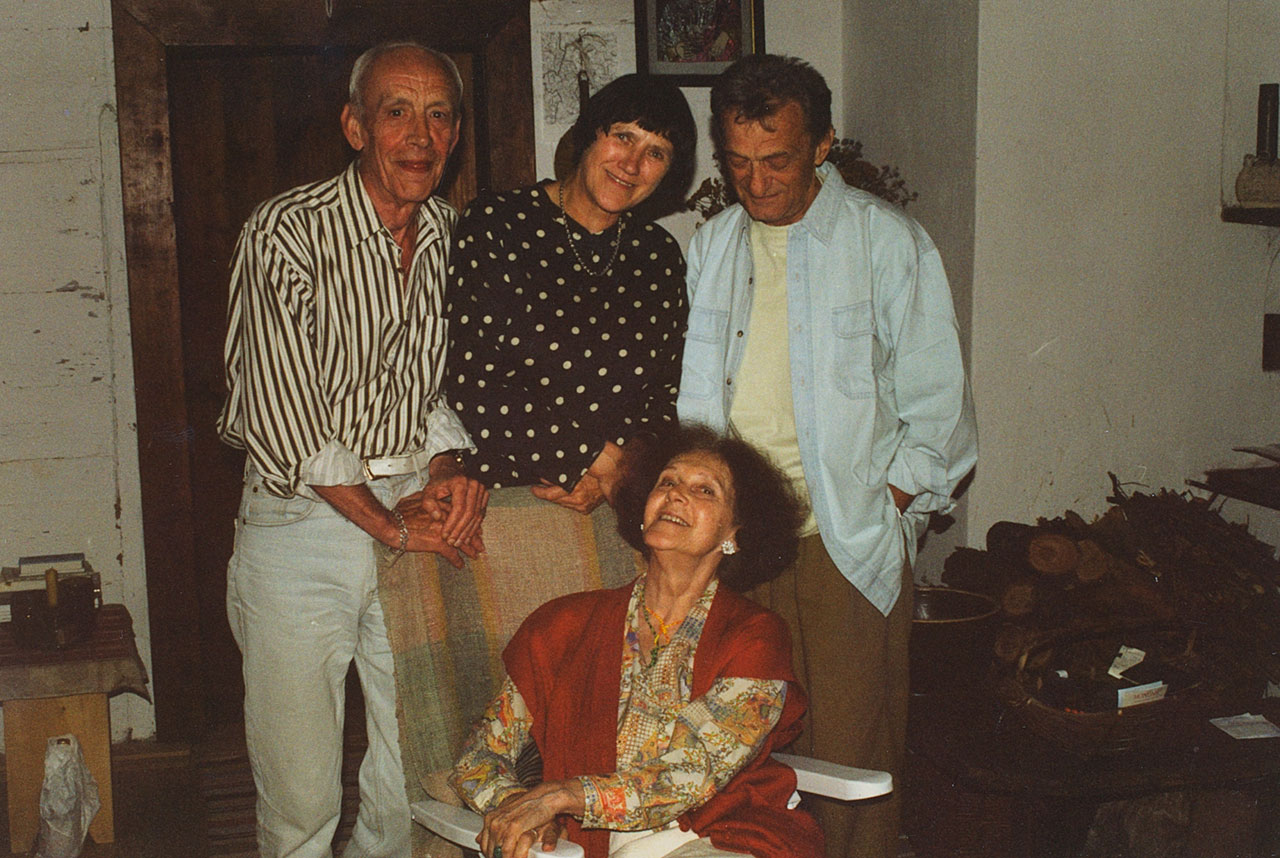
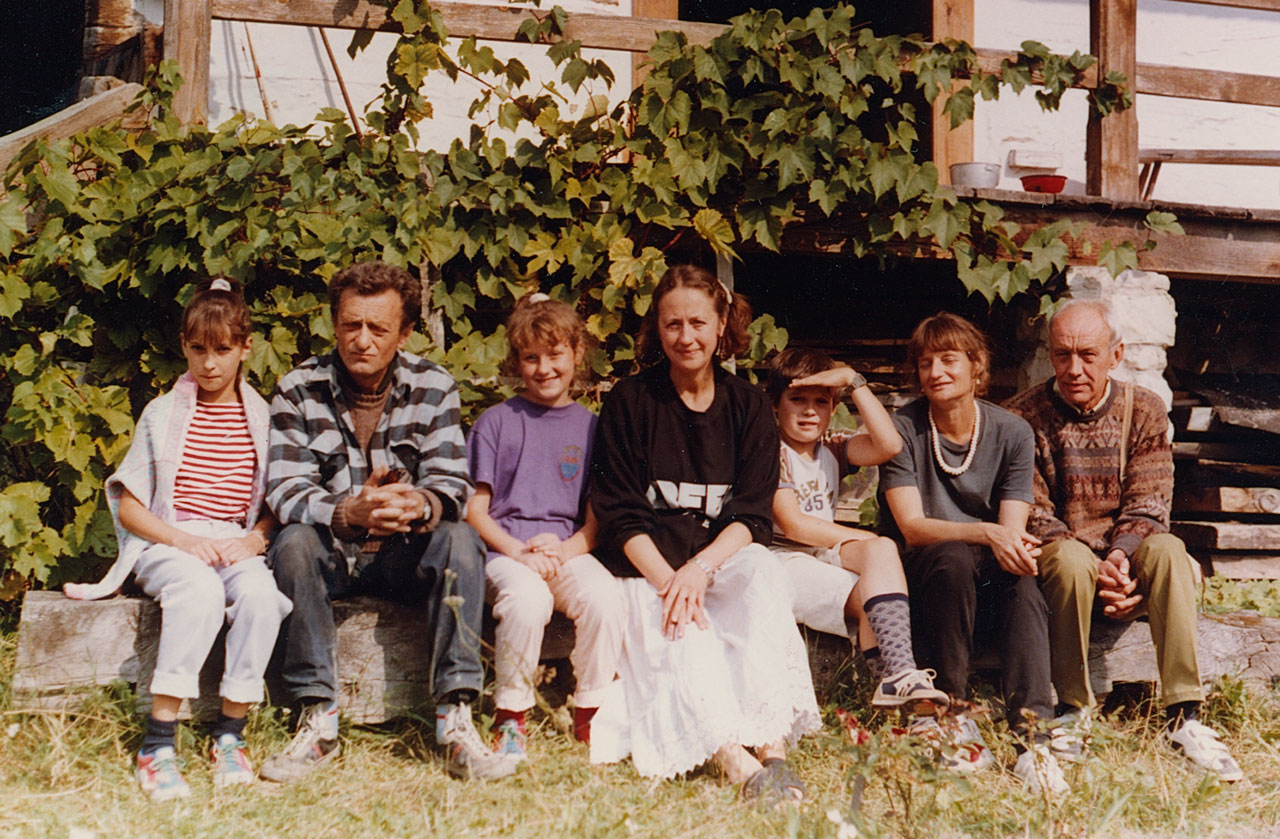
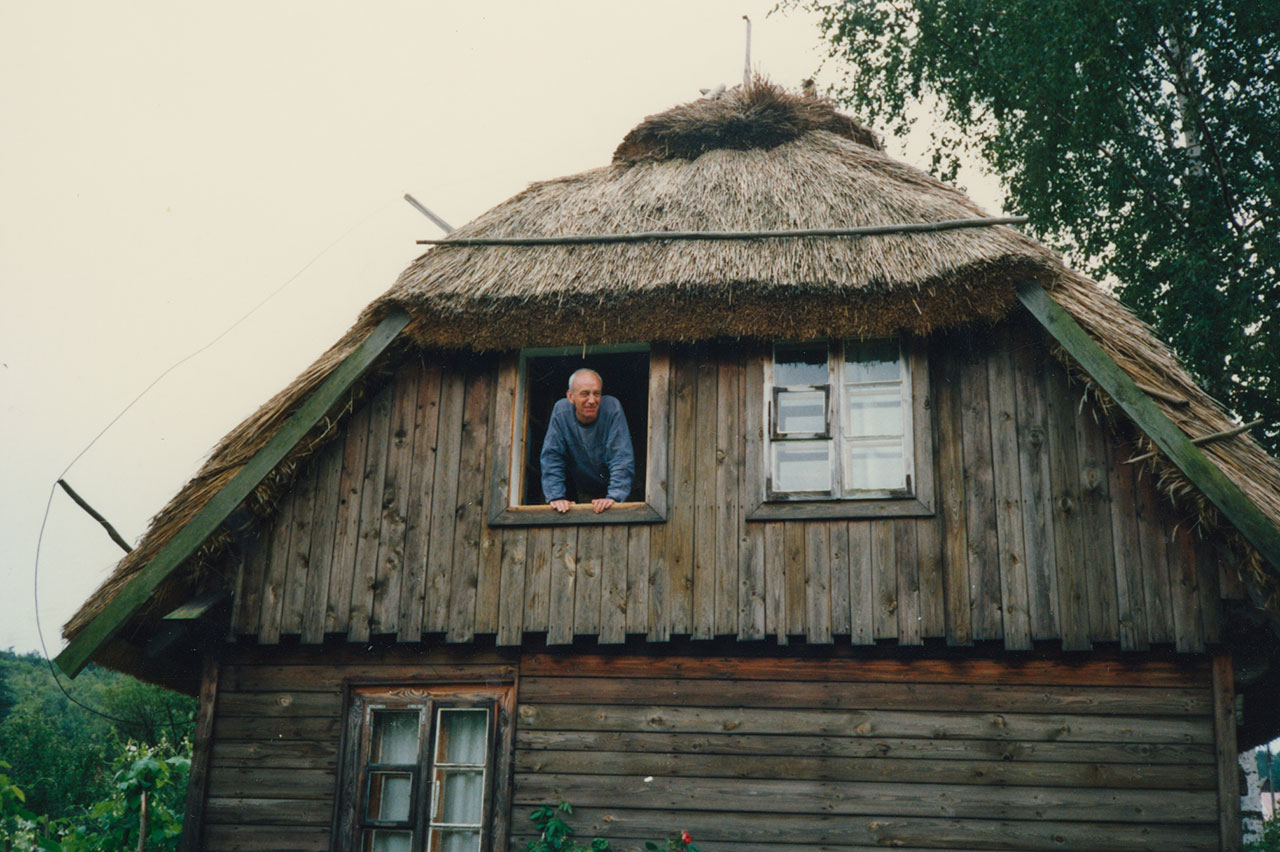
He worked in Warsaw, and from 1979 also in a secluded cottage in Męćmierz near Kazimierz Dolny on the Vistula River. For years, this rural house became a place of close contact with nature, but also a summer studio for creative practice, where Juszczak produced numerous works.
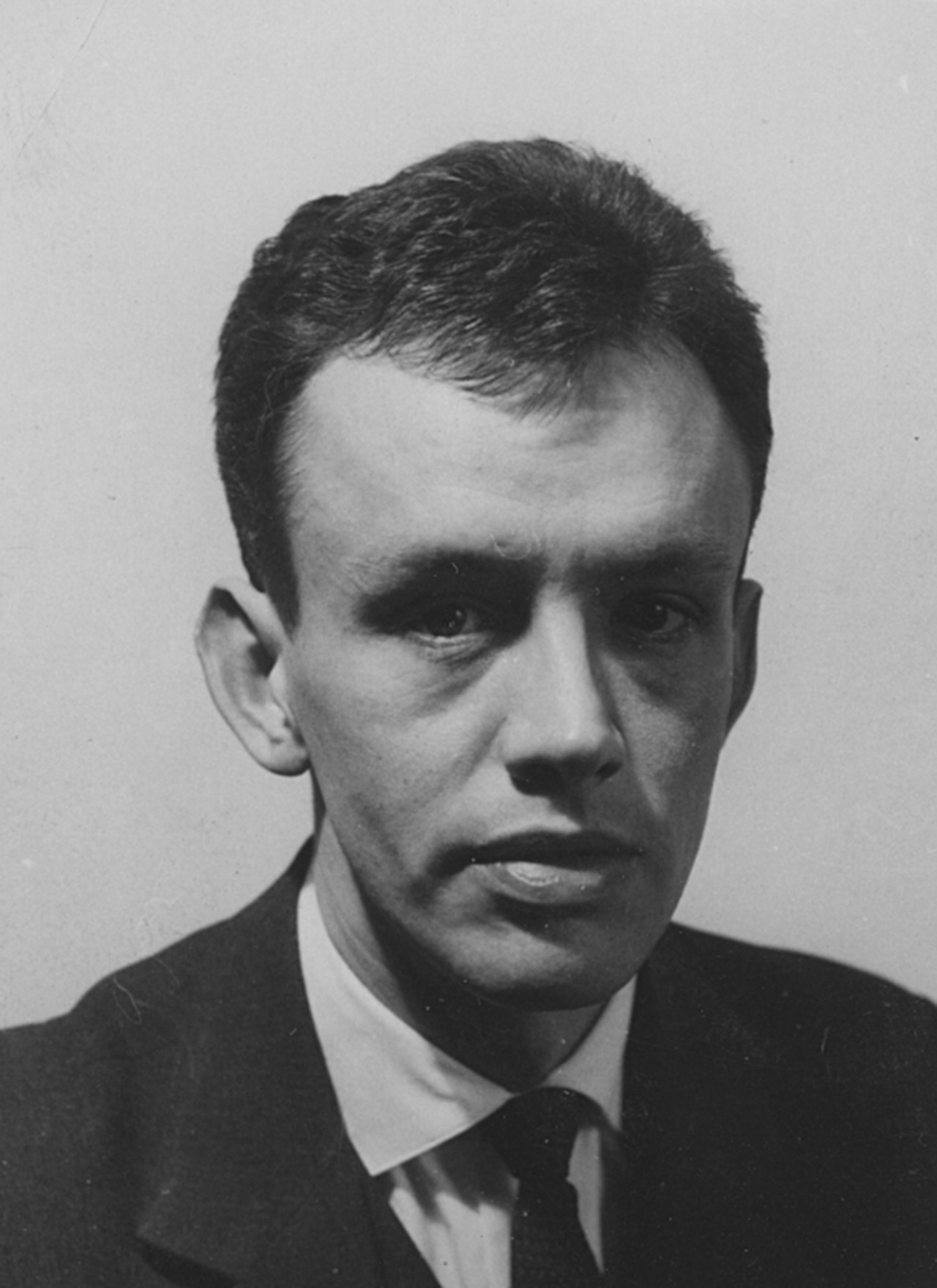
From 1984 through 1989, he wrote a regular column, “Fragments,” for the monthly Znak; these essays clearly showed a shift in interest towards archaic Greek philosophy of art, mythology, as well as history and theory of ornament in various ancient cultures. Also as a translator and editor, Juszczak moved away from art-historical texts towards fiction (including by authors such as William Blake, Karen Blixen, and T.S. Eliot).
After many years of break, from his youthful stay in Great Britain and a short conference in Moscow in 1973, he began to travel abroad again in the late 1980s. The occasion came with a trip to Sion, Switzerland, for a philosophy seminar, but the main goal of the expeditions later became Greece, as Juszczak’s interests shifted from modern art to ancient culture and religion. He visited Greece for the first time in 1995, travelling with a friend to Venice and then taking a ferry. Then followed several trips to Crete, and he also visited, among others, Patmos, Rhodes, Sicily, Italian cities and museums, Netherlands, Ghent, Paris, museums in Vienna and Kroměříž.
Among the tributes paid to Wiesław Juszczak by the academic community, it is worth mentioning the seminar and publication Face to Face with the Image. A Volume Dedicated to Professor Wiesław Juszczak, a Faithful Participant of the Nieborów Seminars [Materiały Seminarium Metodologicznego Stowarzyszenia Historyków Sztuki, Nieborów, X 2002, Warszawa 2003]. Specjalne numery dedykowało mu czasopismo „Konteksty” w 2010 i w 2013 r. Doktoranci Juszczaka sporządzili na osiemdziesiąte urodziny swojego promotora w 2012 r. specjalną, ograniczoną do dwóch egzemplarzy i płyty CD edycję tekstów i różnej natury pamiątek pt. Jeden, by wszystkich zgromadzić i w jasności związać.
[Materials of the Methodological Seminar of the Association of Art Historians, Nieborów, October 2002, Warsaw: Stowarzyszenie Historyków Sztuki, 2003]. The journal Konteksty dedicated special issues to Juszczak in 2010 and 2013. For the eightieth birthday of their supervisor in 2012, Juszczak’s doctoral students prepared a special edition of essays and various memorabilia, limited to two copies and a CD, entitled One to Bring Them All, And in the Light Bind Them.
On 3 April 2013, the University of Warsaw held a ceremony to renew Juszczak’s doctorate. The procedure was supervised by Professor Maria Poprzęcka, and the reviewers were Professors Elżbieta Wolicka-Wolszleger, Waldemar Okoń, and Czesław Robotycki.
In 2010, Juszczak received the Polish PEN Club Award, and in 2014 the Officer’s Cross of the Order of Polonia Restituta. In 2012, he was awarded the Gold Medal for Merit to Culture Gloria Artis.
In 2016, a work that had occupied Juszczak for several years was published – a selection of excerpts from the diaries of his late life partner, the painter Jacek Sempoliński ( A Me Stesso. Diary Excerpts 1999-2008). ).
For many years, during his long creative sojourns at Nieborów Palace, Juszczak organized film screenings for his friends there, with his own commentary and discussions. He joined the editorial board of the Kwartalnik Filmowy quarterly and was also a member of the Academic Council of the magazine Konteksty.
In the last years of his life, Juszczak devoted much time to discussions with anthropologist Professor Dariusz Czaja. They were then written down and published as Ruins of Time. Conversations on Art (Warsaw 2017). Alongside Juszczak’s reflections on opera, music, theatre, films, Greek thought on art, and Heidegger, the volume includes recollections from his youth.
A lover of mountains, in his youth he pursued the passion by actively hiking in the Bieszczady and Tatra Mountains, later mainly by reading about alpine climbing and mountaineering. A lover of nature, also the particularly lively kind, he was a keen observer of and expert on birds and their calls.
He died on 18 February 2021 in his home in Saska Kępa, Warsaw.
Prof. Andrzej Pieńkos